
Your audience already buys the gear you recommend. Why not launch your own?

You keep posting.
We handle the backend.
Create.
Post.
Repeat.
Keep doing what you do best.
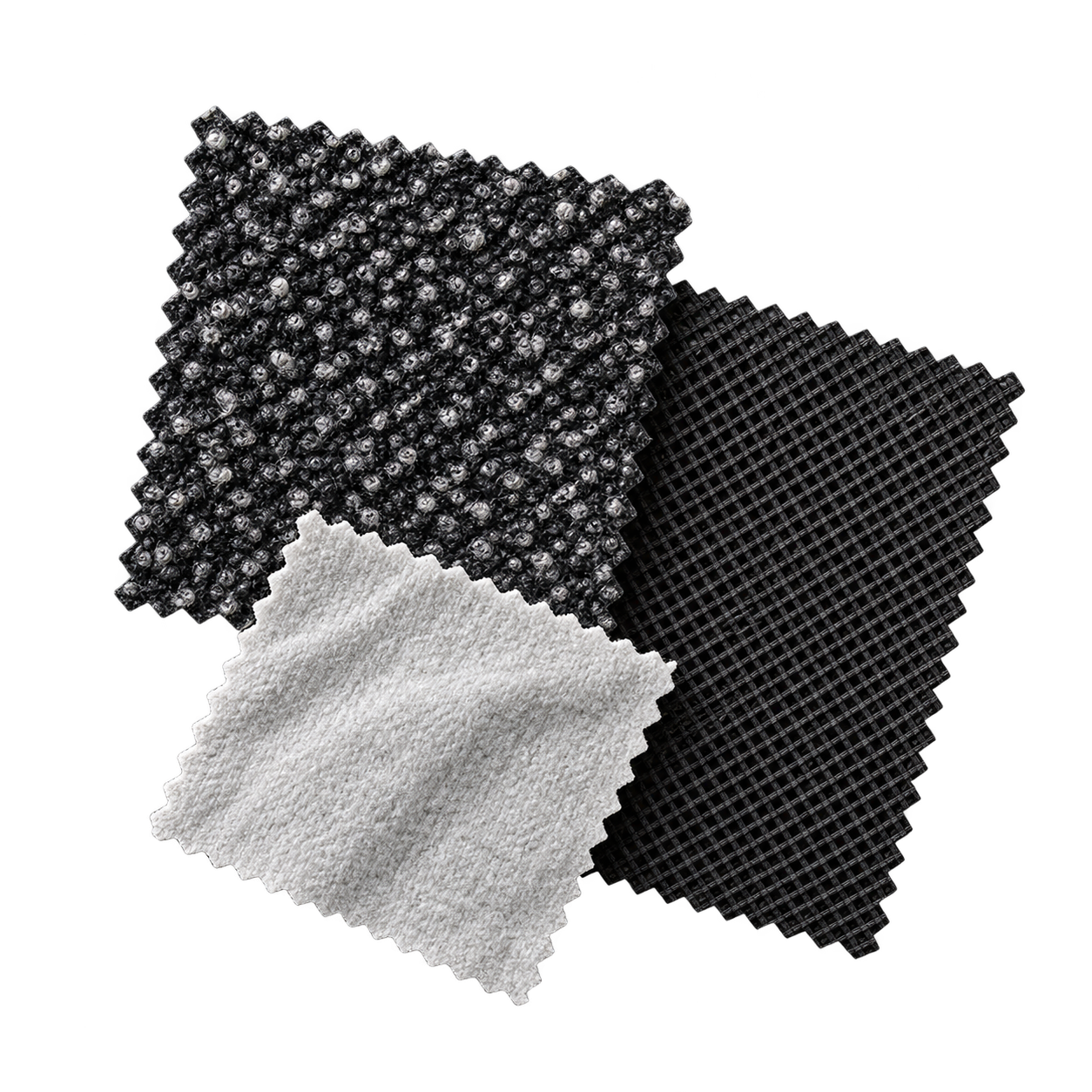
Product development
We turn your ideas into real products.
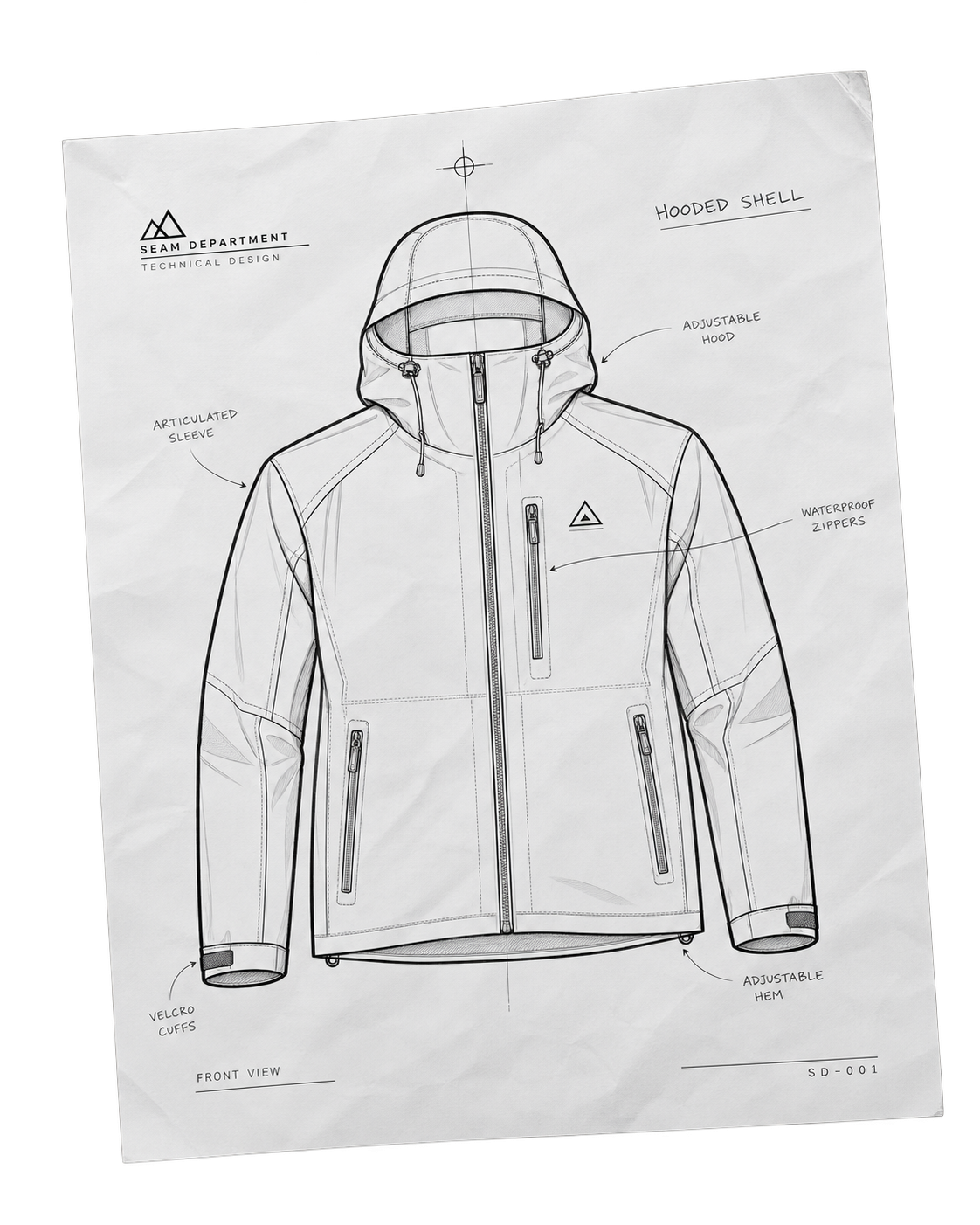
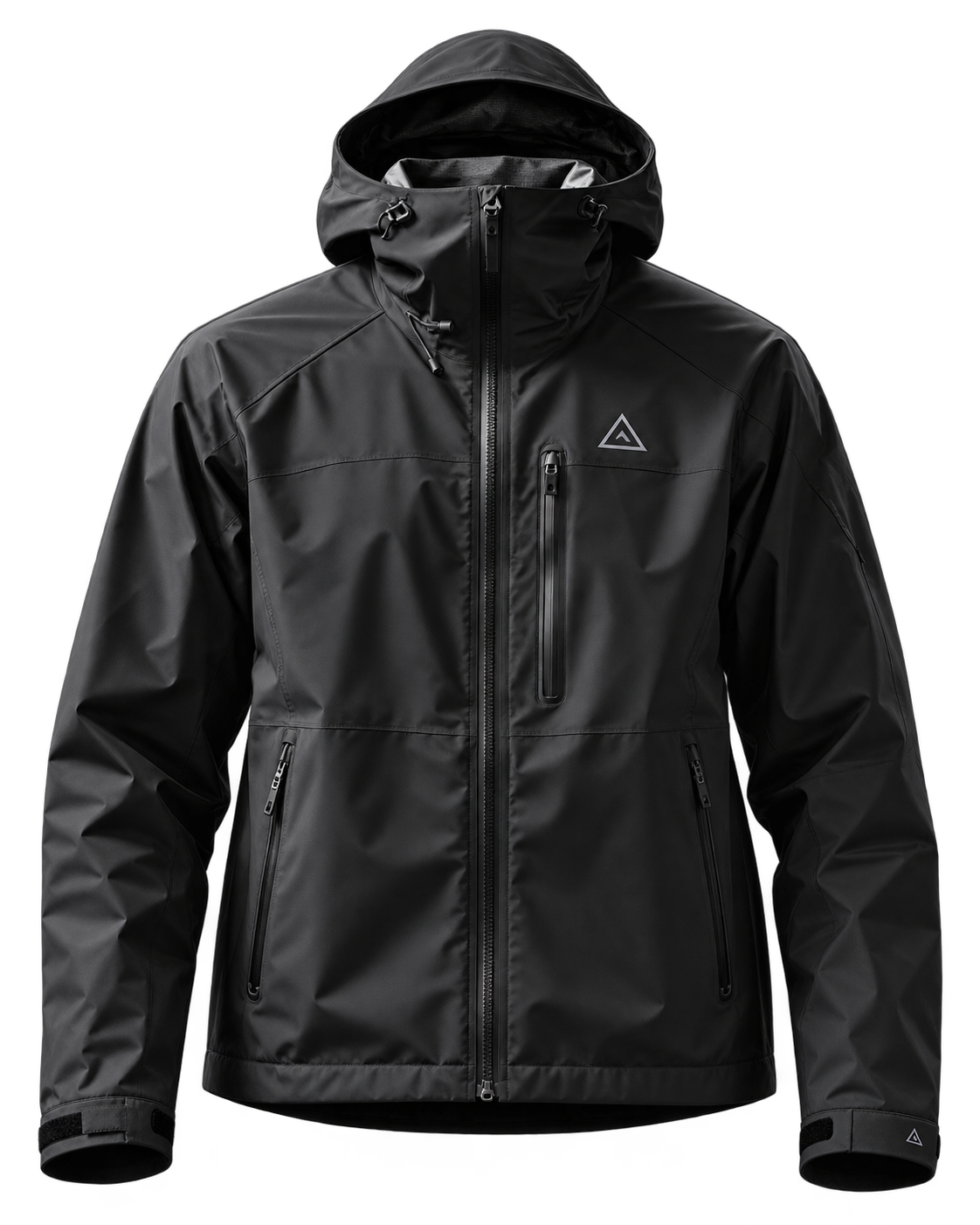
- Design development
- Materials & components
- Tech packs & engineering
- Sampling & refinement

Products
Made with our partner factories.
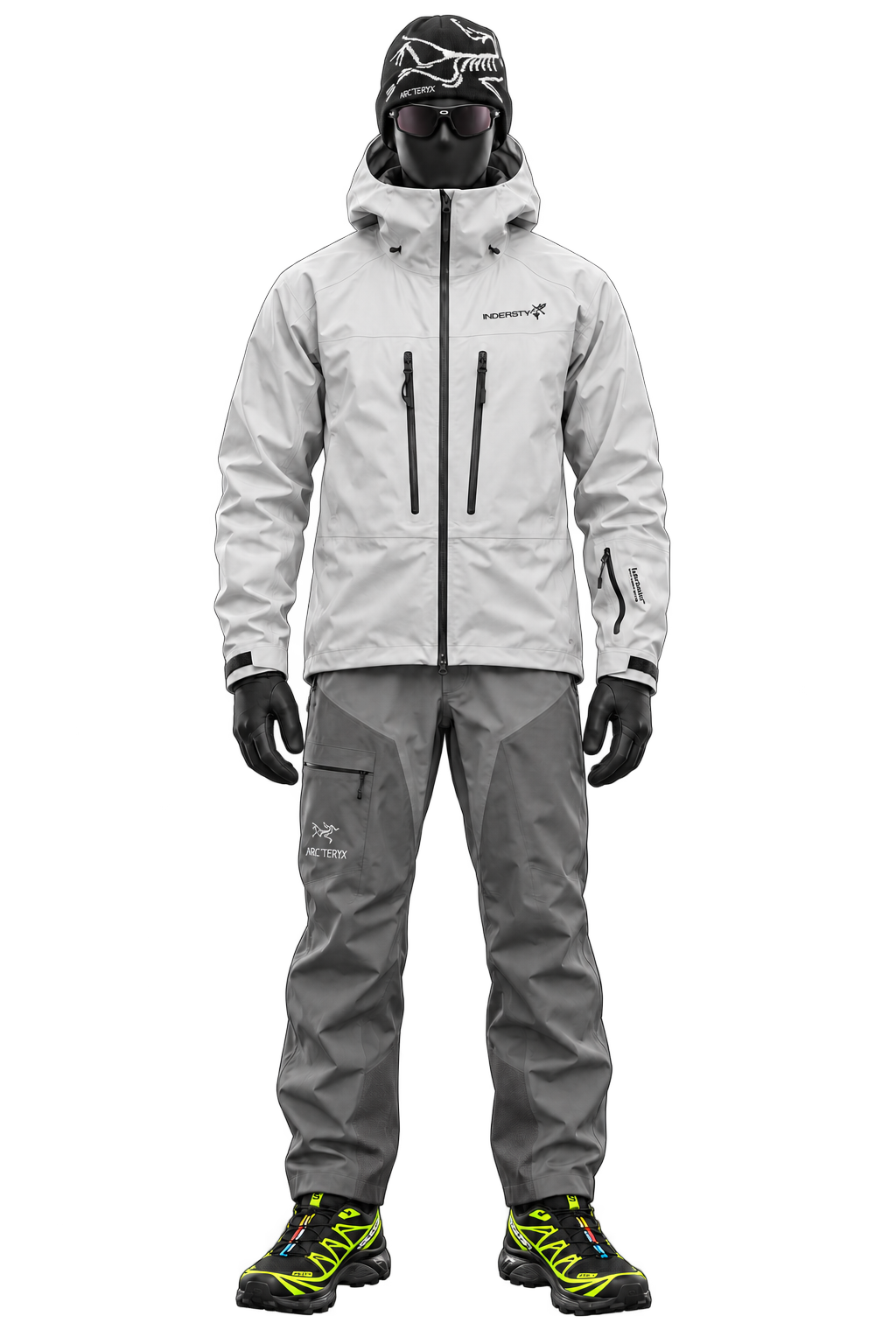
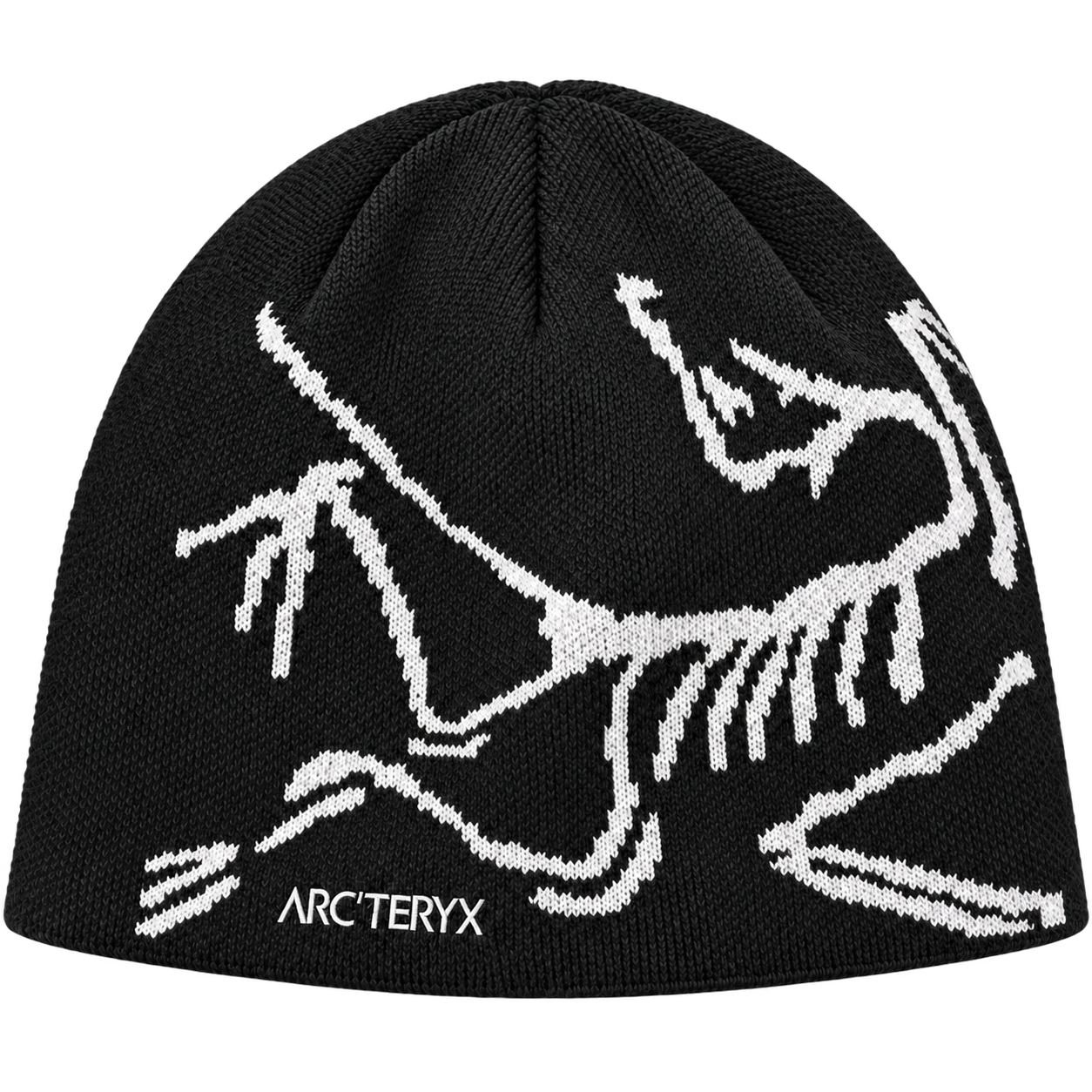
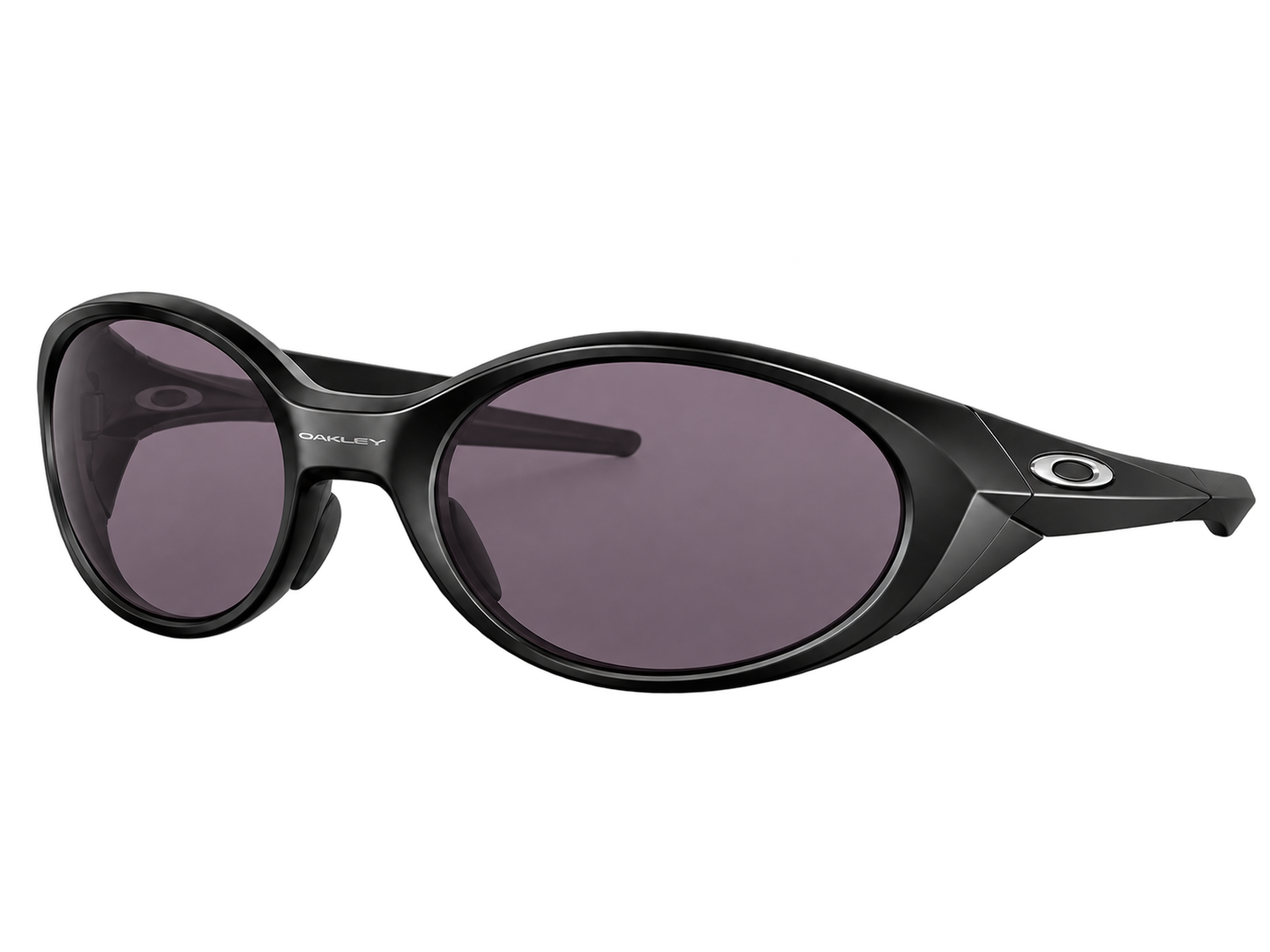
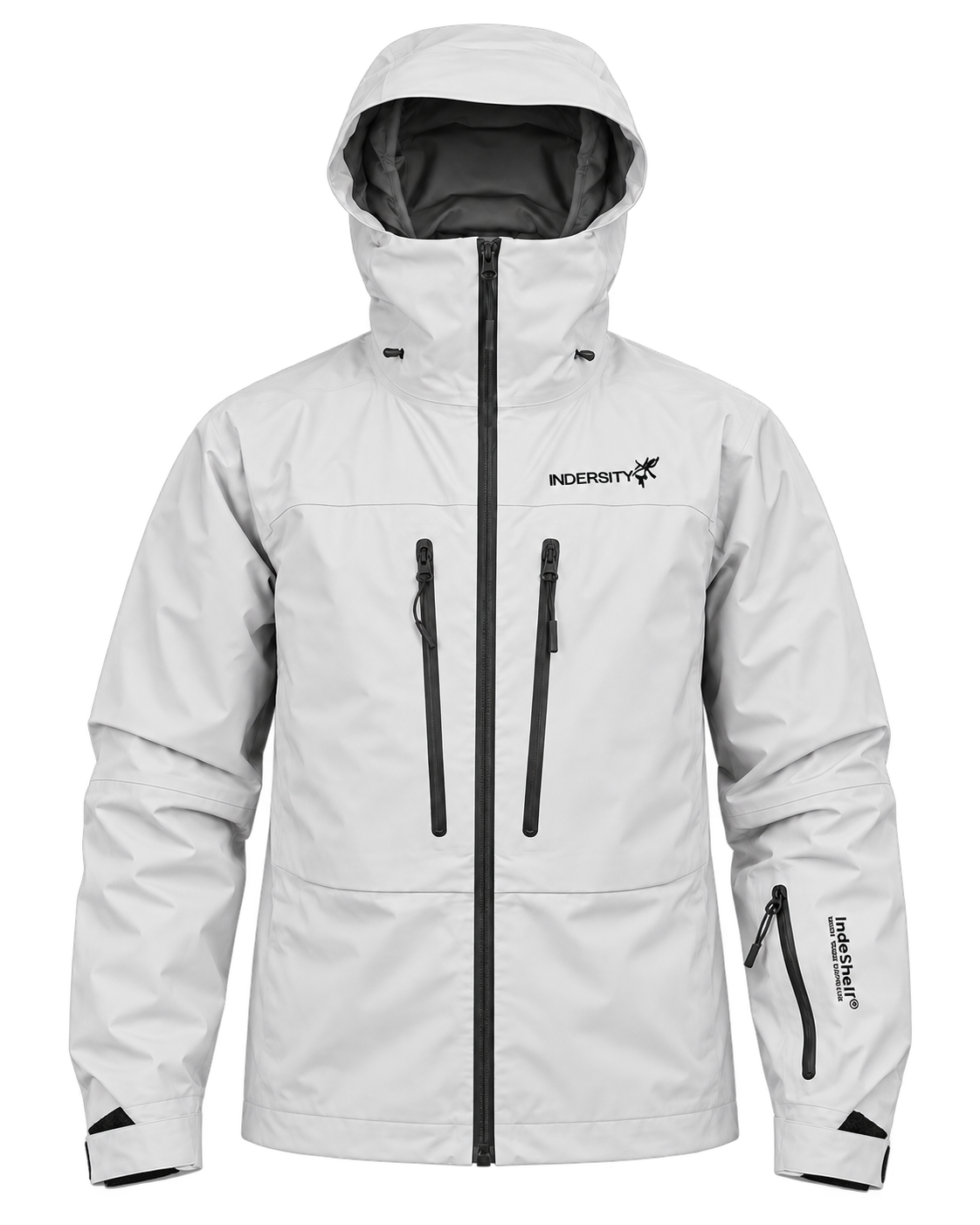
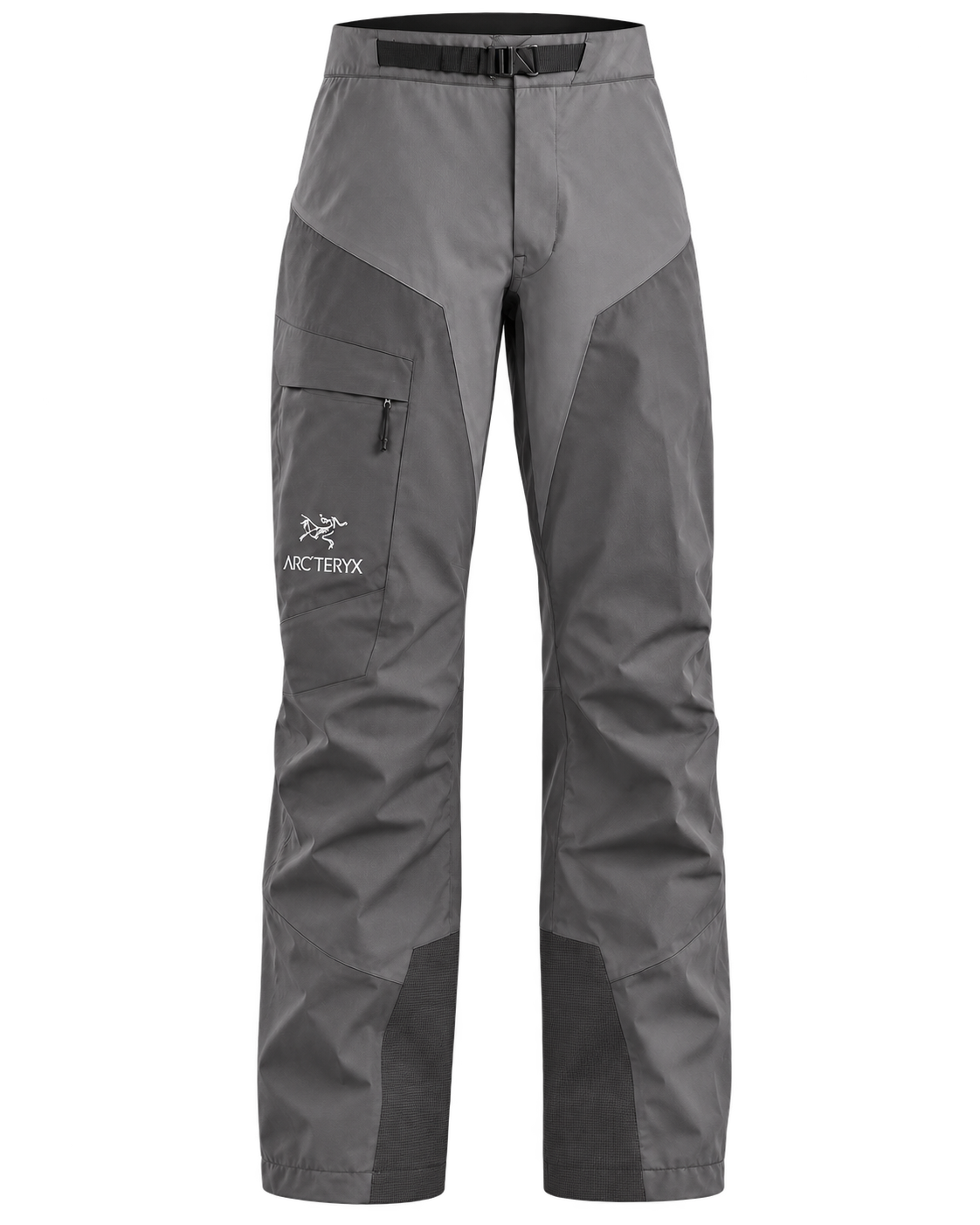
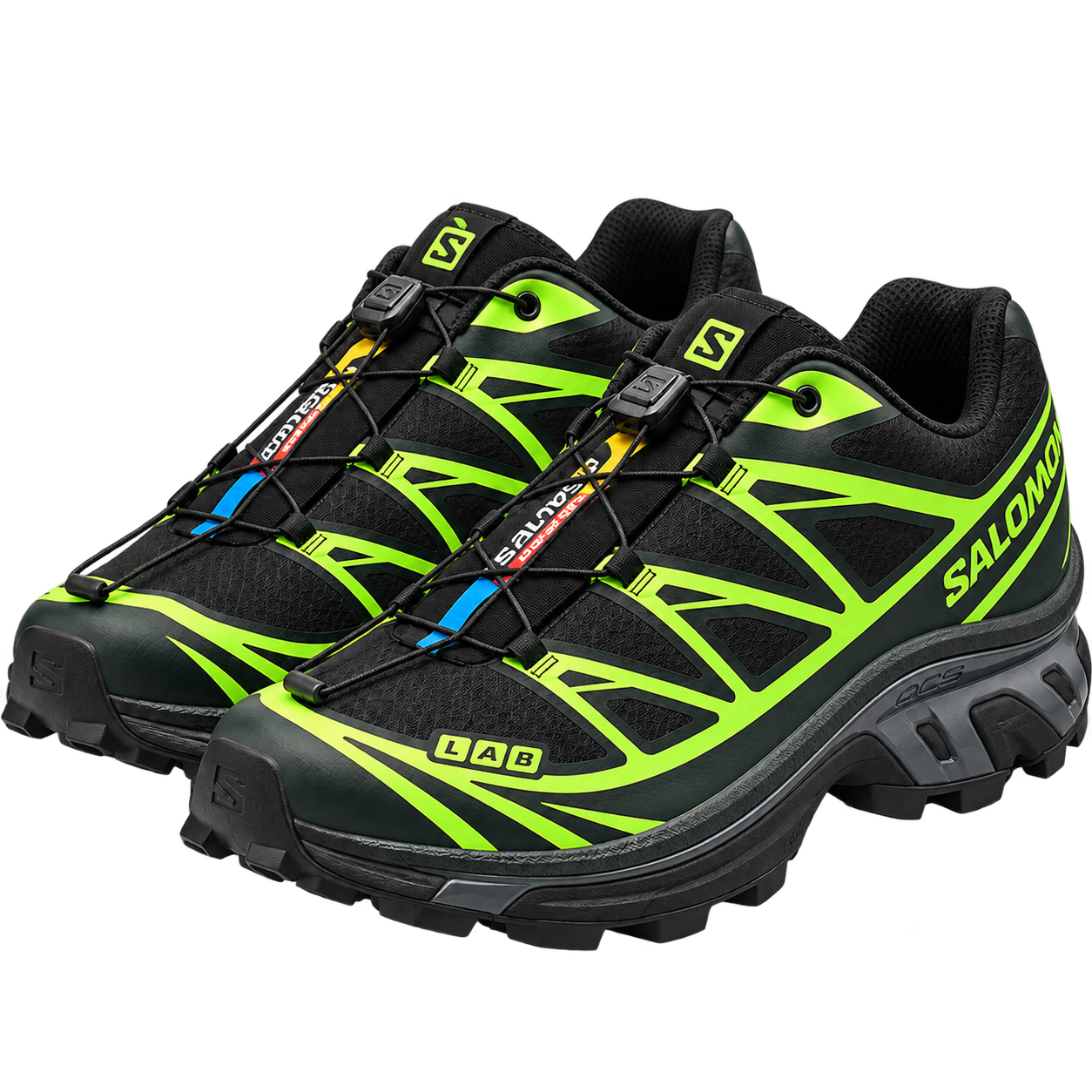
Get access to the world's largest manufacturing partners with our exclusive network.
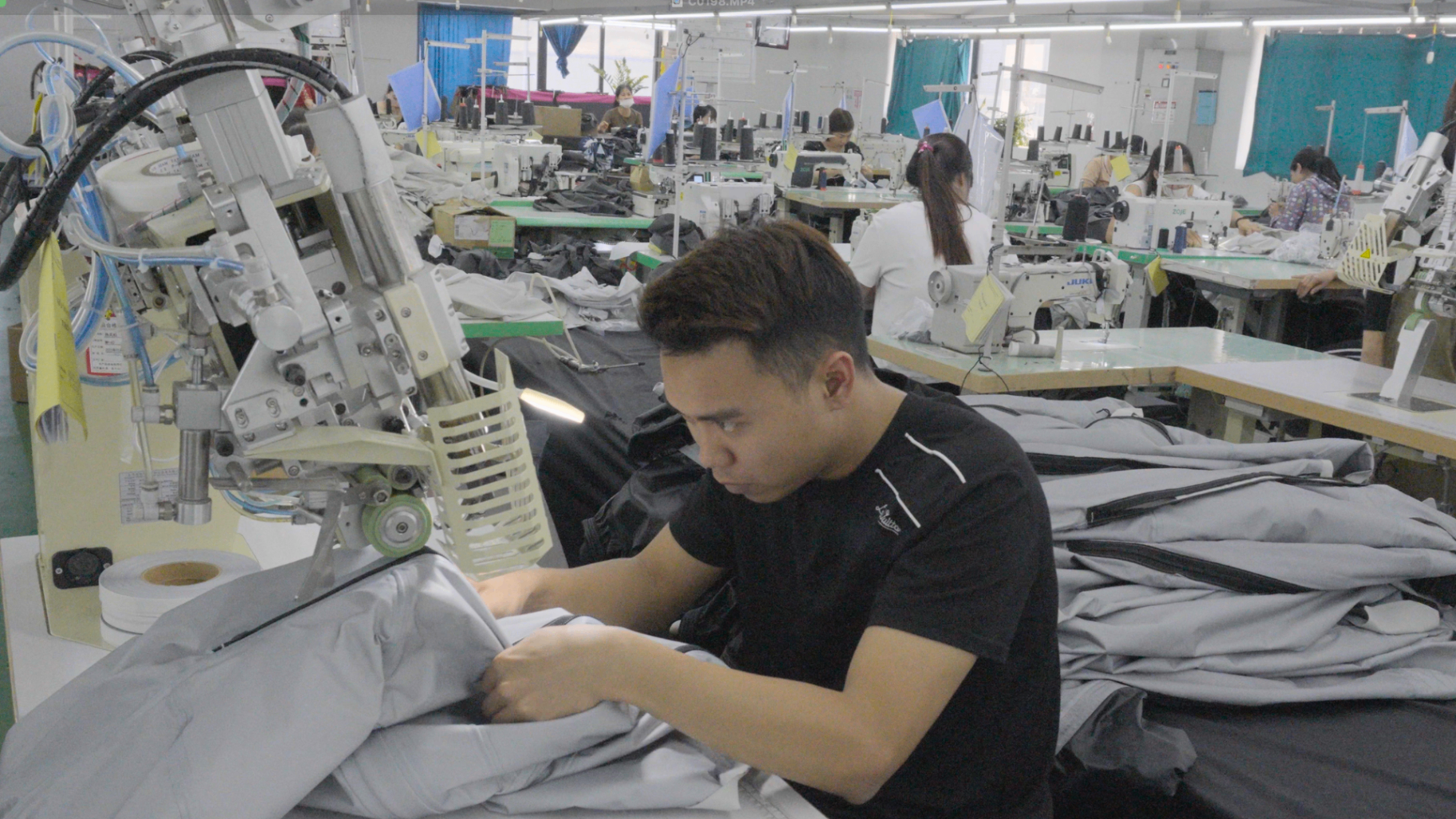
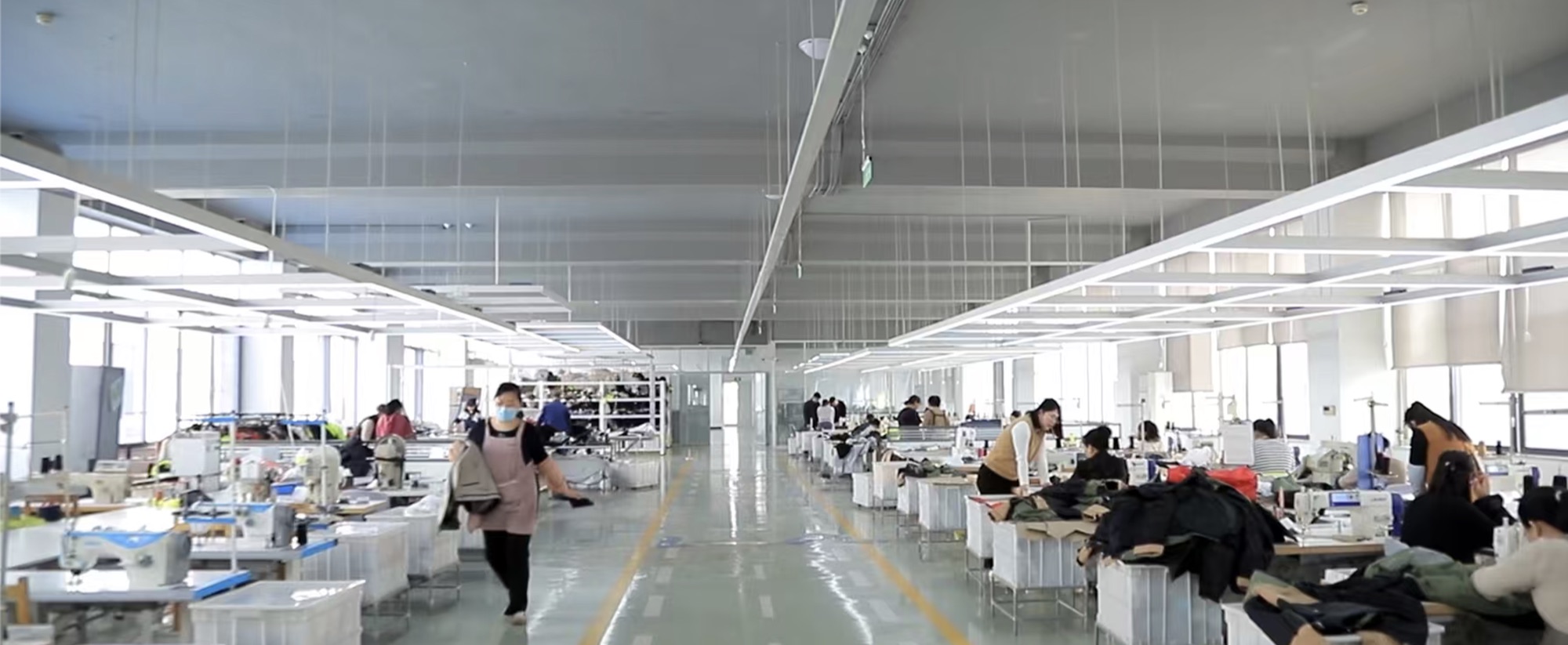
NANJING, CHINA
Specialist Manufacturing Access
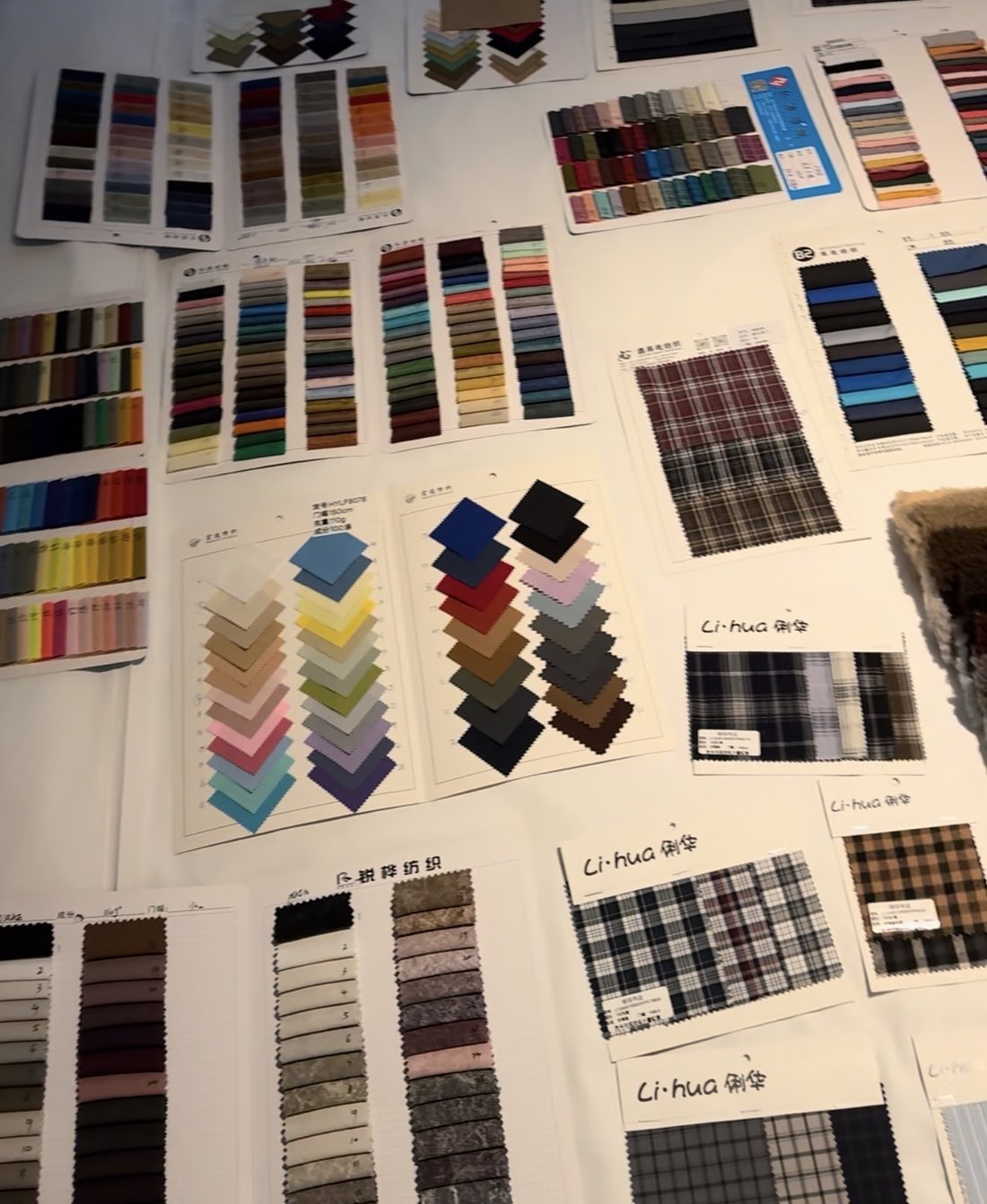
TAIWAN, JAPAN + CHINA
Performance Textile Network
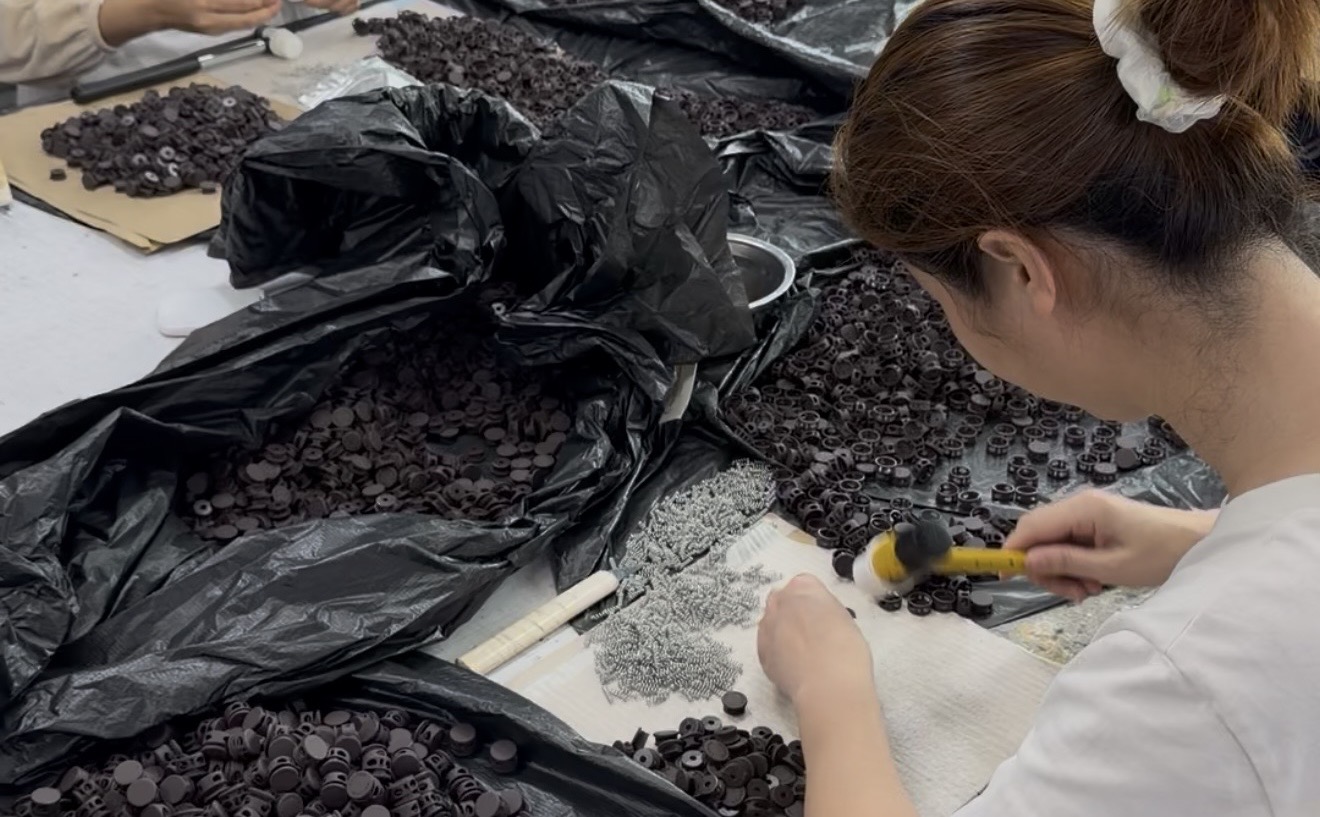
ASIA-WIDE SUPPLY NETWORK
Technical Components and Trims
Technical Outerwear
Seam Department combines in-house product development in Shanghai with specialist performance-textile mills, technical suppliers and outerwear manufacturing partners across Asia.
Start a Technical Brief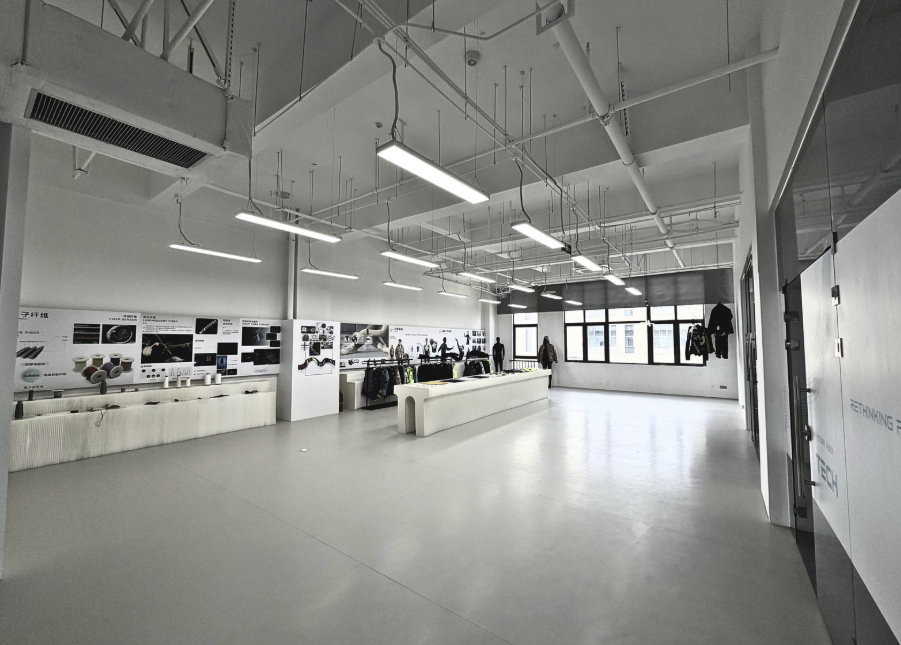
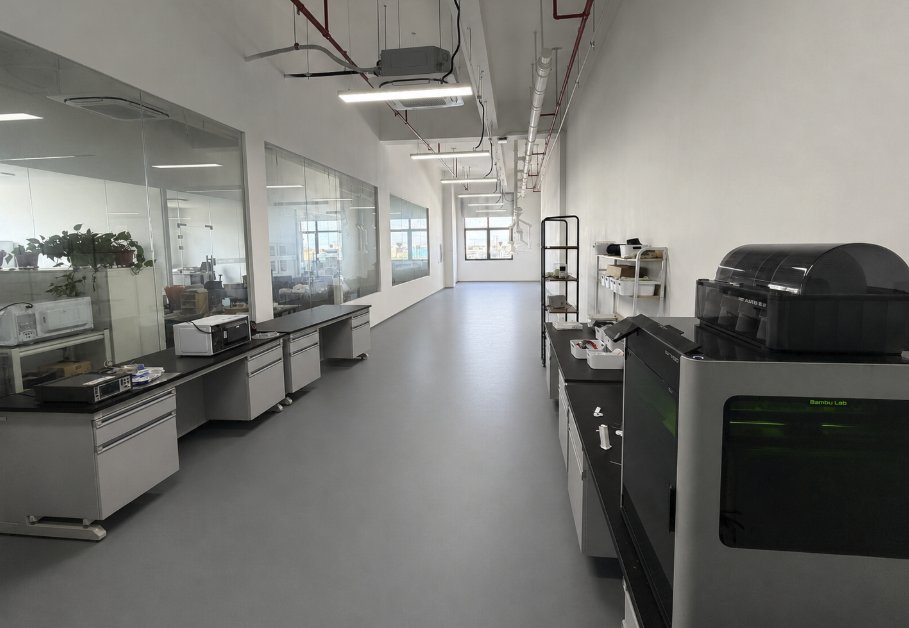
Showroom
A dedicated space for reviewing garments, materials and product references in person.
*As featured on @imtomstevens
01
Shell Materials & Membrane Systems
Performance shell materials are selected according to waterproofing, breathability, weight, durability, stretch, hand feel and intended garment use. Development can include nylon face fabrics, ripstop constructions, stretch shells, backers and waterproof-breathable laminate systems sourced through specialist performance-textile mills.
02
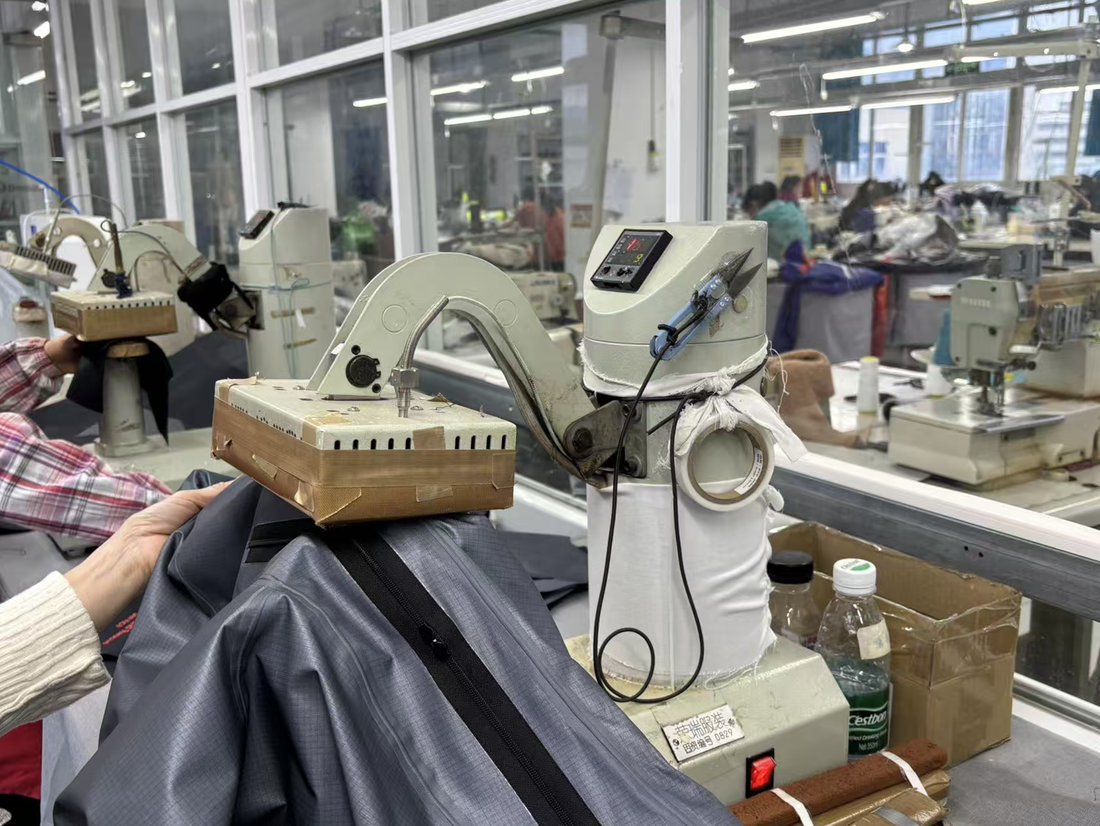
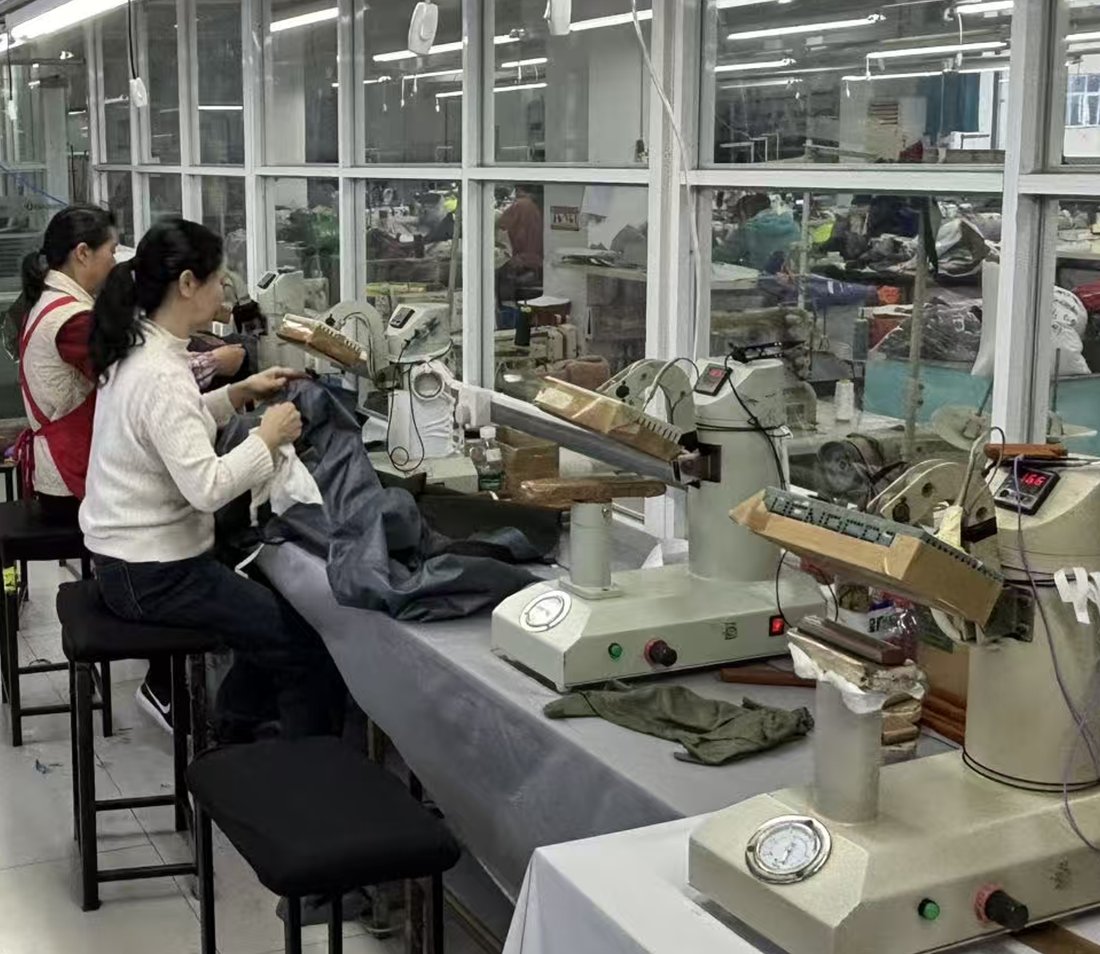
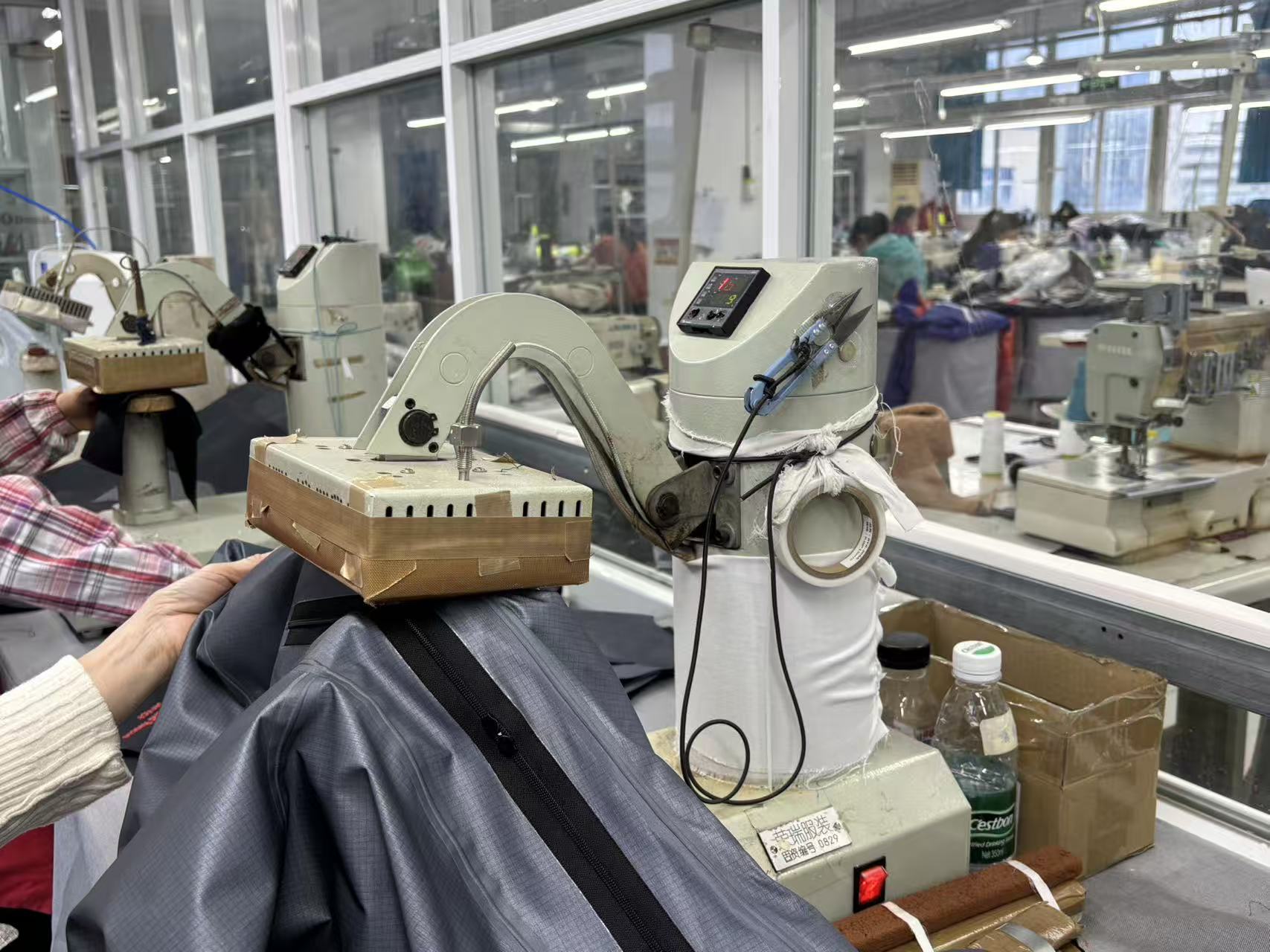
Seam Sealing & Taping
Seam sealing is developed around the selected shell material, tape system, seam geometry, machinery and controlled application settings. Full or critical taping can be specified depending on garment construction, performance targets and intended use.
03
Waterproofing & Breathability
Waterproofing and moisture-vapour performance are considered as part of the complete material and garment system rather than as isolated fabric numbers. Membrane selection, face fabric, backer, seam construction, DWR and garment architecture are specified around the intended performance tier and use environment.
04
DWR & Surface Treatment
DWR selection is considered alongside the face textile and laminate construction to maintain water shedding and waterproof-breathable performance through use and care. PFAS-free options can be specified where appropriate to the selected textile and project requirements.
05
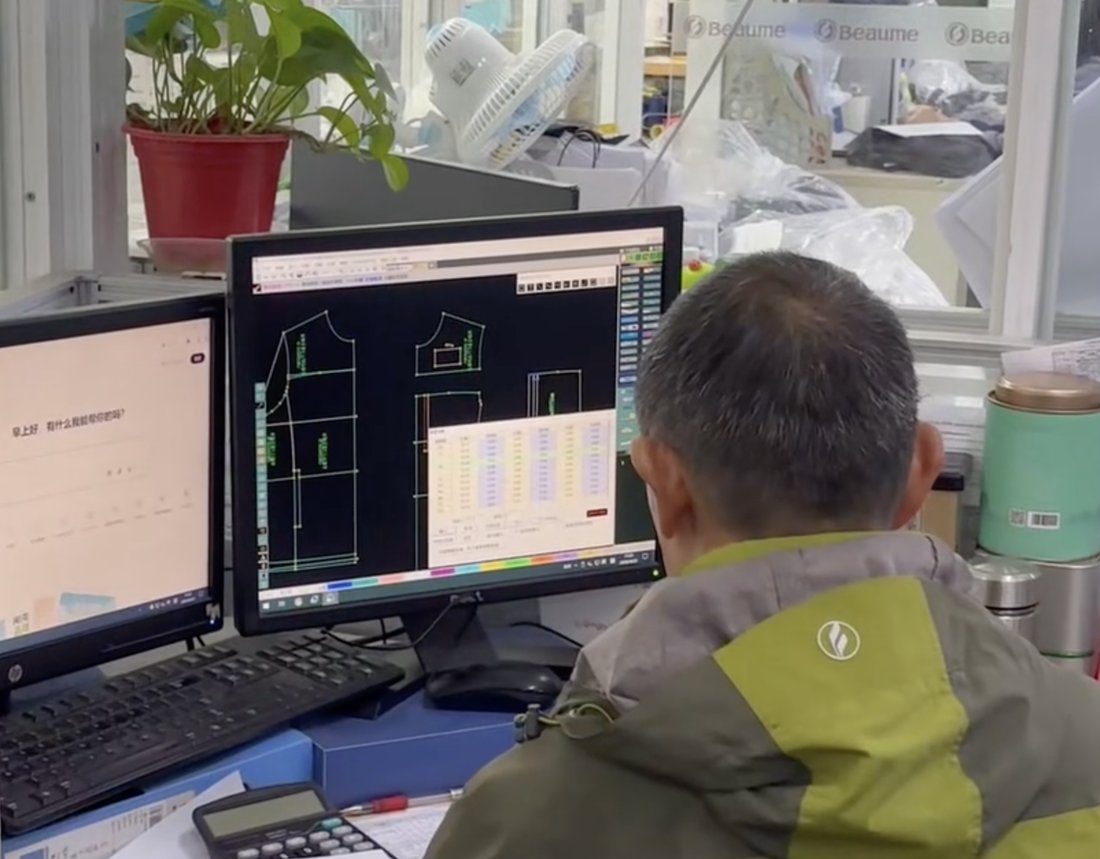
Articulated Pattern Engineering
Patterns are developed around fit, layering requirements, articulation, mobility, seam placement and intended performance. Pre-shaped elbows, knees, shoulders, hoods and other movement zones can be engineered directly into the garment architecture rather than treated as styling details.
06
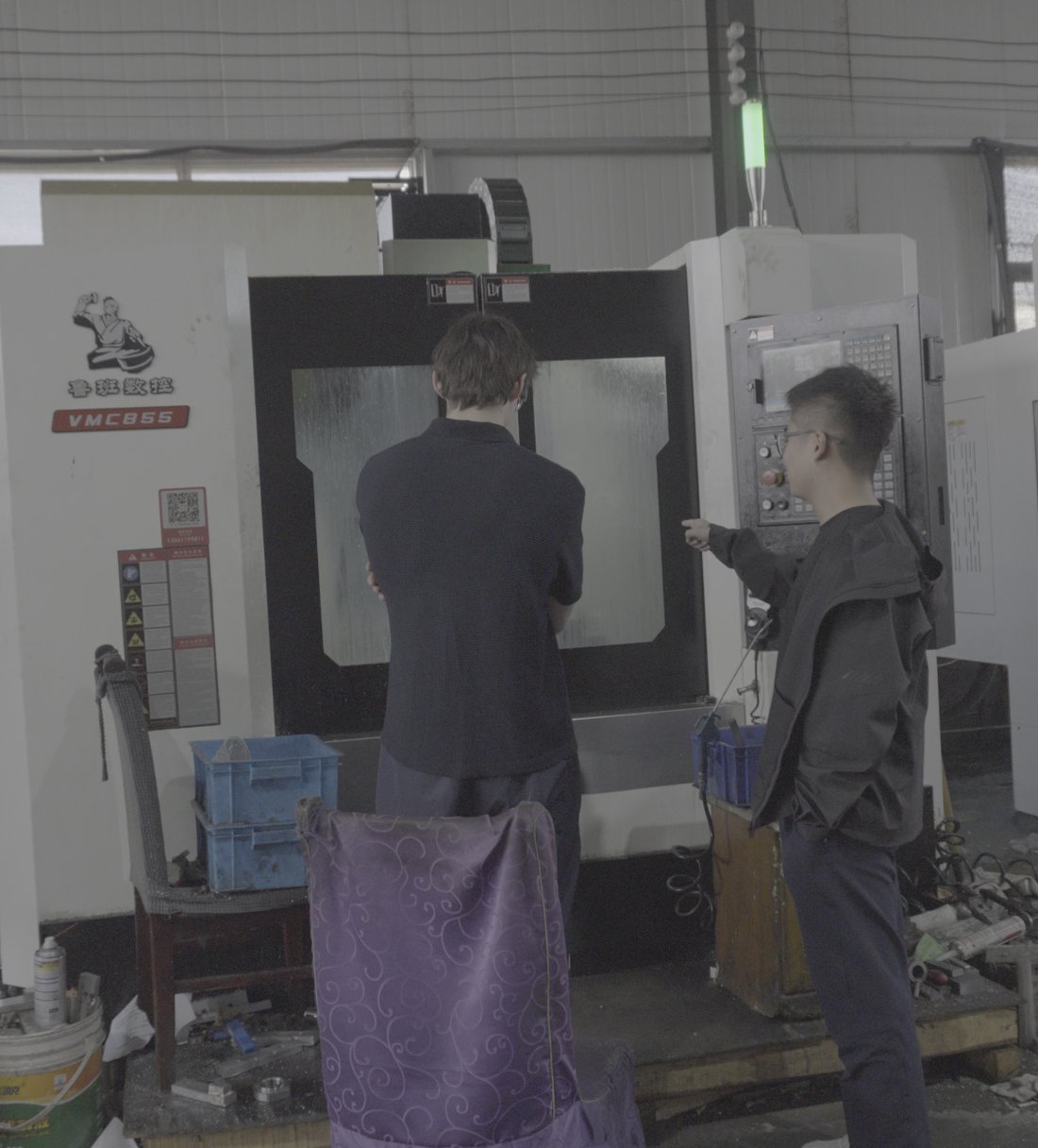
Bonded & Welded Construction
Bonded construction, welded interfaces and specialist reinforcement methods can be developed where conventional stitched construction would introduce unnecessary bulk, penetration or structural limitations. The construction method is selected according to material compatibility and garment requirements.
07
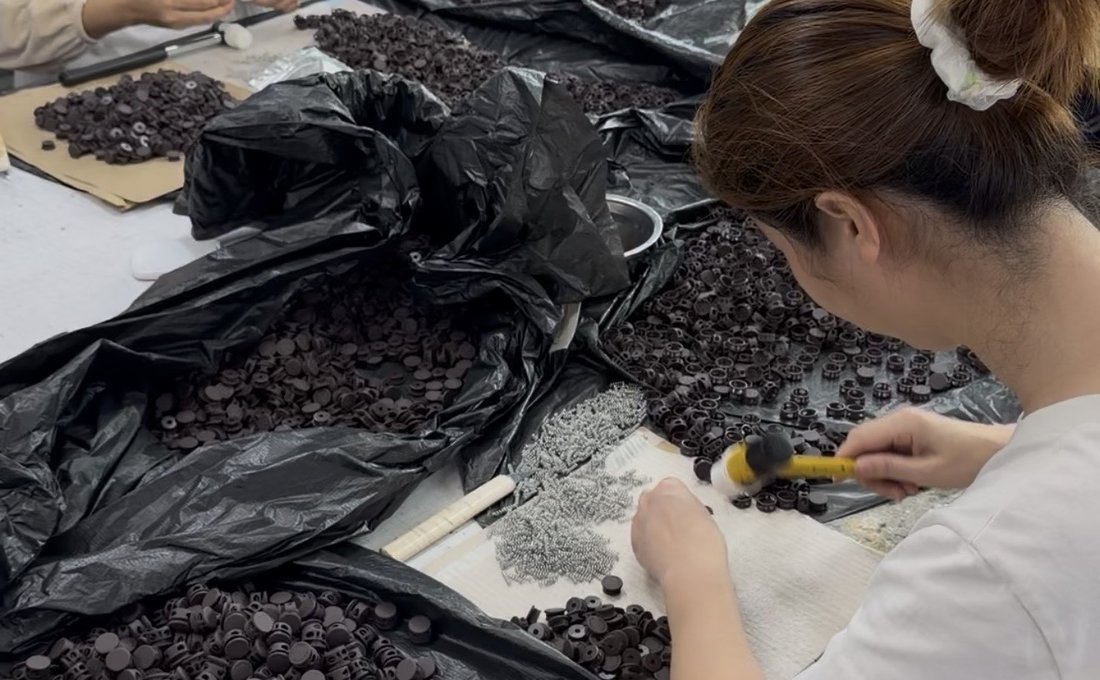
Technical Zippers & Components
Technical components are selected according to performance, construction and intended use. This can include YKK® zipper systems, water-resistant closures, seam tapes, cord systems, adjusters, reinforcement materials, specialist linings and other outerwear hardware sourced across the Asian supply network.
08
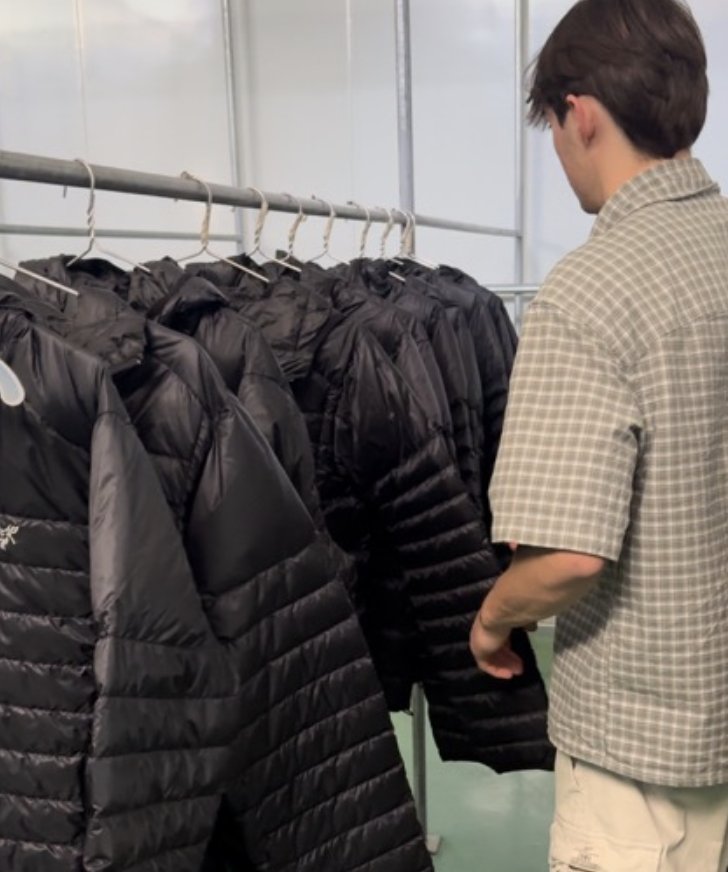
Insulation Systems
Puffer development can incorporate natural down, synthetic insulation and hybrid systems alongside downproof shell fabrics, lining systems, engineered baffle construction, quilting architecture and controlled fill levels according to the intended garment and environment.
09
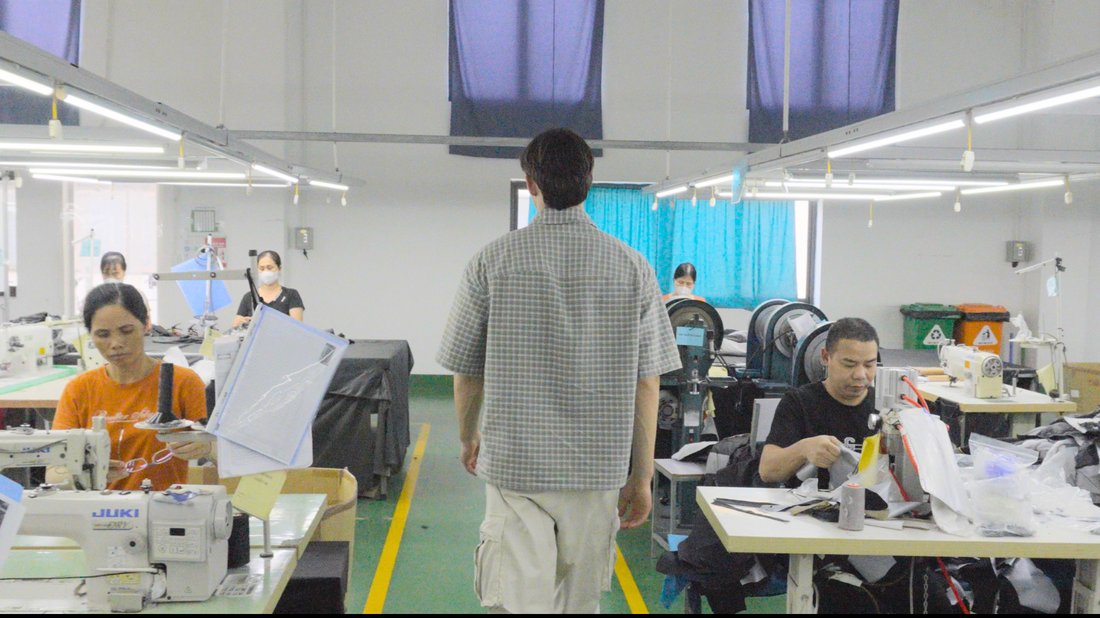
Development to Manufacturing
Seam Department manages material sourcing, technical documentation, bills of materials, construction specifications and production preparation before handing an approved product into specialist manufacturing. This connects the Shanghai development process with performance mills, technical suppliers and specialist outerwear manufacturing access in Nanjing.
Factory Certifications & Compliance




How Technical Outerwear Projects Run
 01
Phase 01 — Define
Understand
We establish the garment's purpose, intended environment, target customer, performance requirements and commercial position before design work begins. This gives every later decision a clear reference point and prevents the product from becoming a collection of disconnected features.
- Define intended use, climate and performance expectations
- Establish target customer, retail position and production budget
- Confirm initial quantities, launch dates and commercial constraints
- Prioritise the garment's essential functions and features
Define
Digital Concept Development & Product Engineering
We establish the garment's purpose, intended environment, target customer, performance requirements and commercial position before design work begins. This gives every later decision a clear reference point and prevents the product from becoming a collection of disconnected features.
- Define intended use, climate and performance expectations
- Establish target customer, retail position and production budget
- Confirm initial quantities, launch dates and commercial constraints
- Prioritise the garment's essential functions and features
Phase 01 Benefit
The first sample begins from a resolved product direction rather than being used to discover what the product should have been.
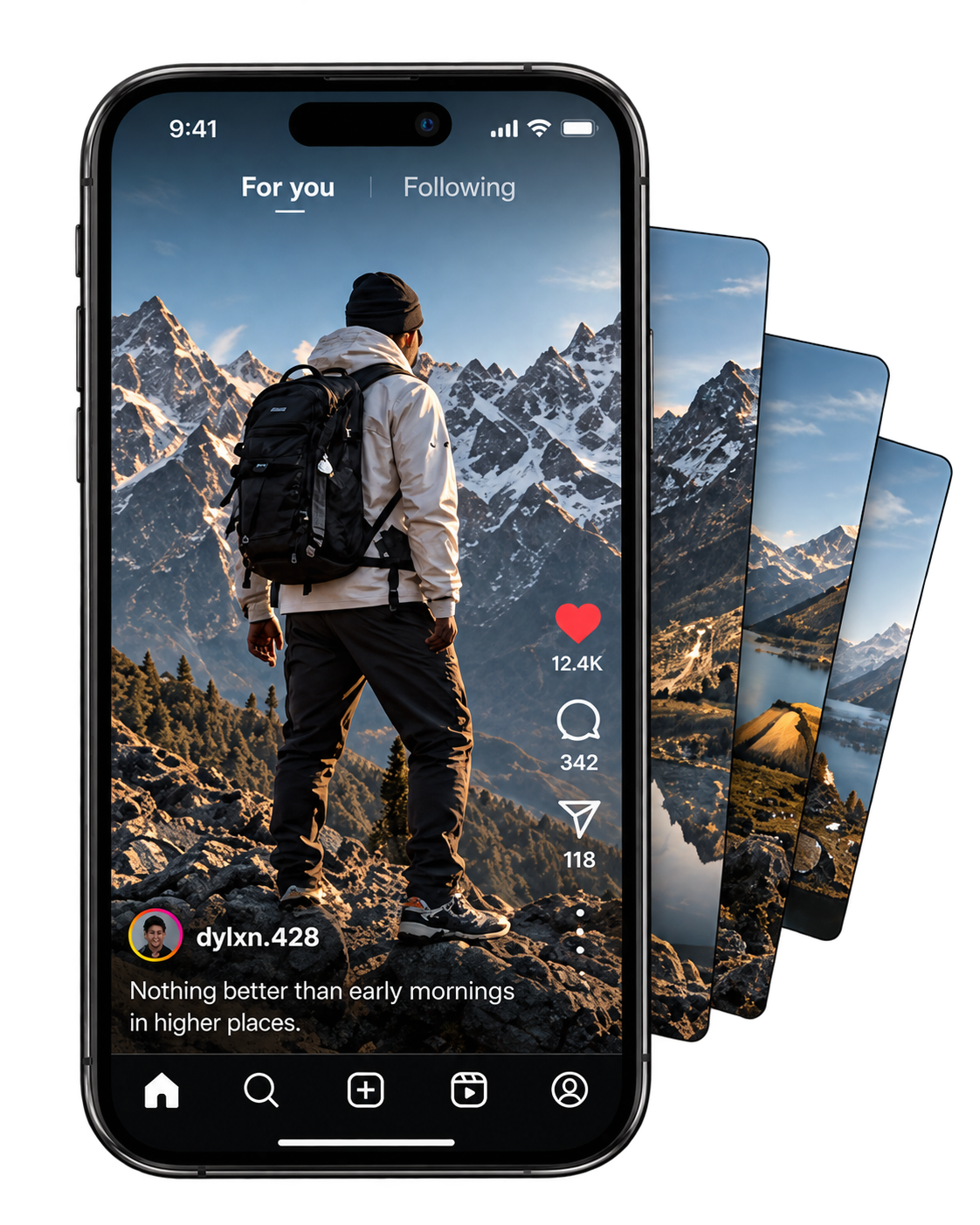
You post this.
A hike. A fit. A recommendation your audience instantly wants.
People ask this.
Comments, DMs, and product questions turn content into demand.
What jacket is that?
Drop the pants link.
What's in your pack?
What are the best glasses you recommend?
Need that beanie?
You post this.
A hike. A fit. A recommendation your audience instantly wants.
And they say this.
Comments, DMs, and product questions turn content into demand.
Need that beanie?
What are the best glasses you recommend?
What's in your pack?
What jacket is that?
Drop the pants link.