 SLEEVE
Everyday Apparel
Hoodie Sleeve Spec Sheet
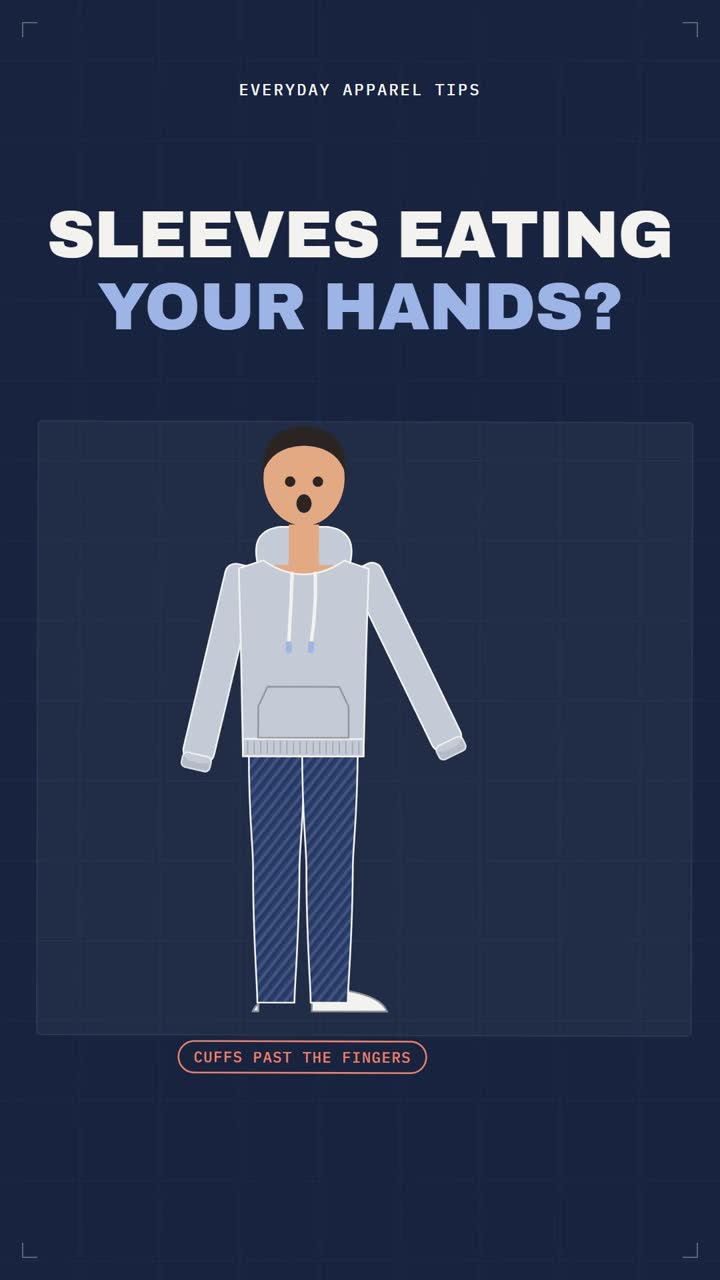
Sleeves eating your hands? It's not the size. Drop the shoulder and the cuff moves too. Spec the sleeve from the centre back and it's right at any drop.
Get it freeFree resources
Every spec sheet, template and guide we've promised in our reels — next to the video it came from. Built from what we do every day developing garments with factories in Shanghai.
30 free resources, newest first
SLEEVEEveryday Apparel
Sleeves eating your hands? It's not the size. Drop the shoulder and the cuff moves too. Spec the sleeve from the centre back and it's right at any drop.
Get it free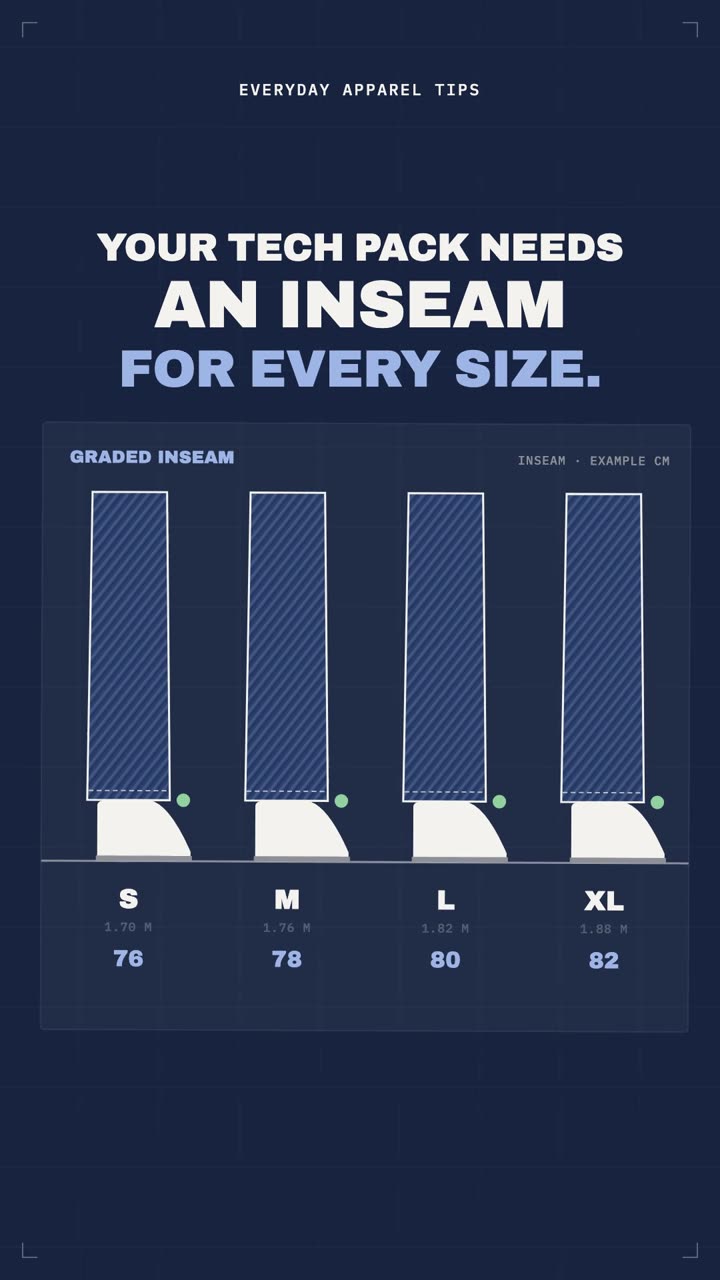 INSEAM
Everyday Apparel
Your tech pack needs an inseam for every size. Use one for everyone and your small drags on the floor while your XL shows ankle.
Get it free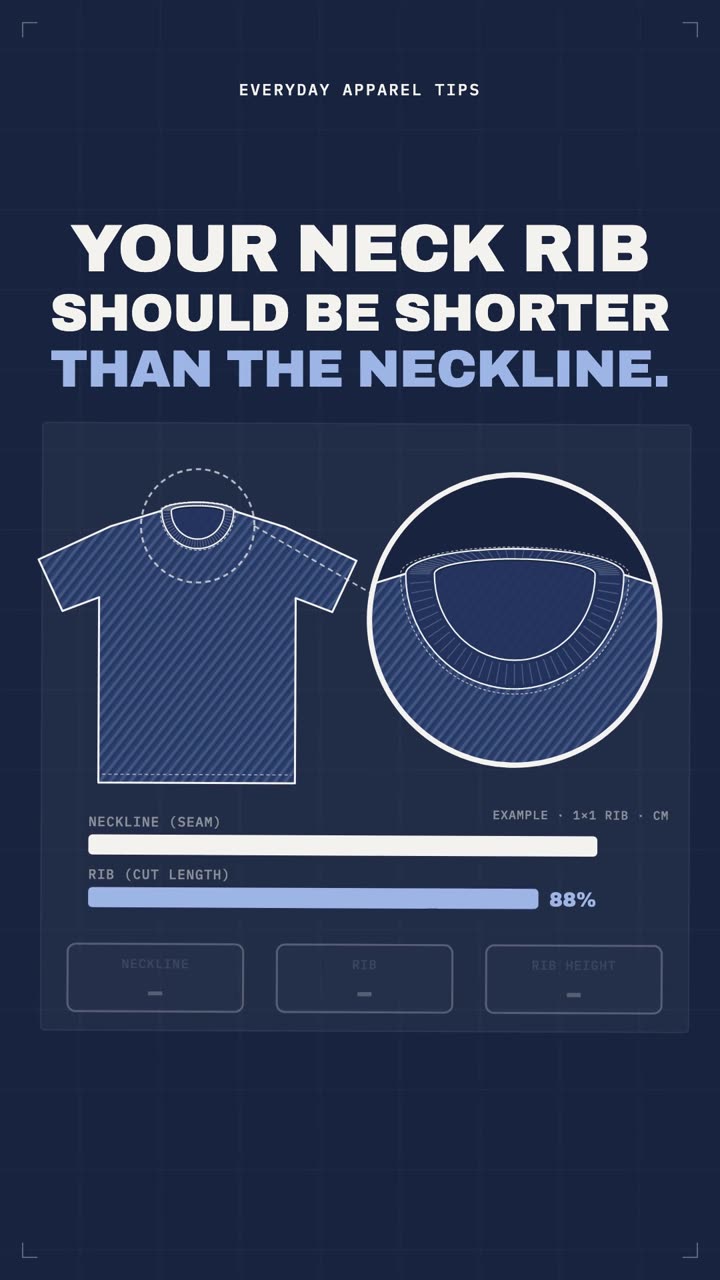 NECK
Everyday Apparel
Your neck rib should be shorter than the neckline, about 88%. Cut it the same length and the collar ripples after one wash.
Get it free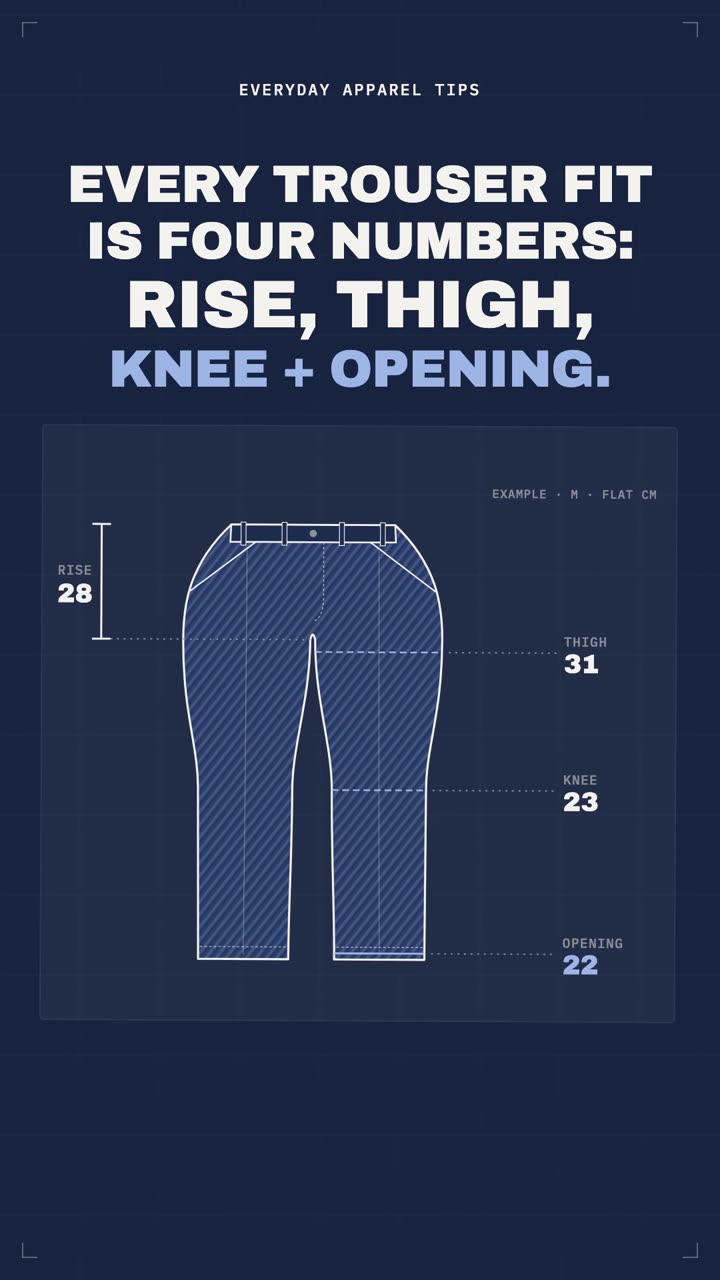 PANTS
Everyday Apparel
Every trouser fit comes down to four numbers: rise, thigh, knee and leg opening. Slim, straight, relaxed, wide leg and barrel, in measurements.
Get it free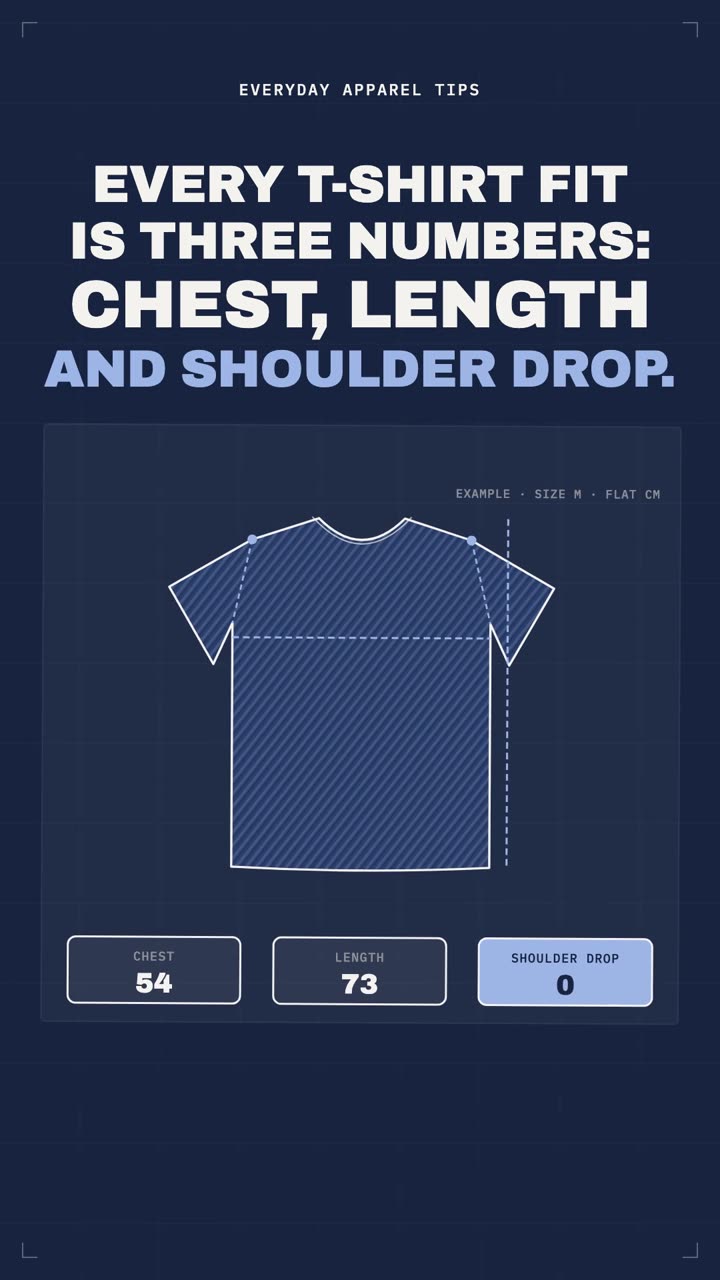 TEES
Everyday Apparel
Every T-shirt fit comes down to three numbers: chest, length and shoulder drop. Slim, regular, boxy, oversized and cropped, in measurements.
Get it free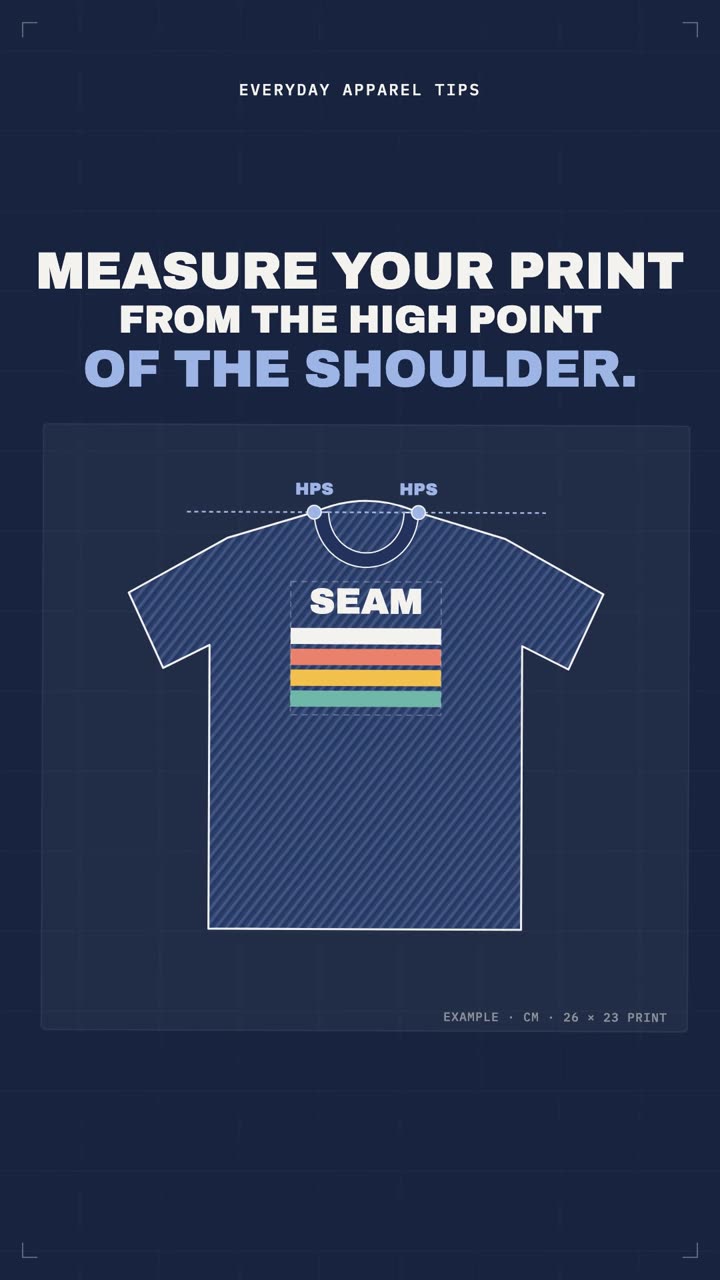 PLACEMENT
Everyday Apparel
Measure your print from the high point of the shoulder, not the collar. Starting placements for front, chest, back and sleeve prints, by size.
Get it free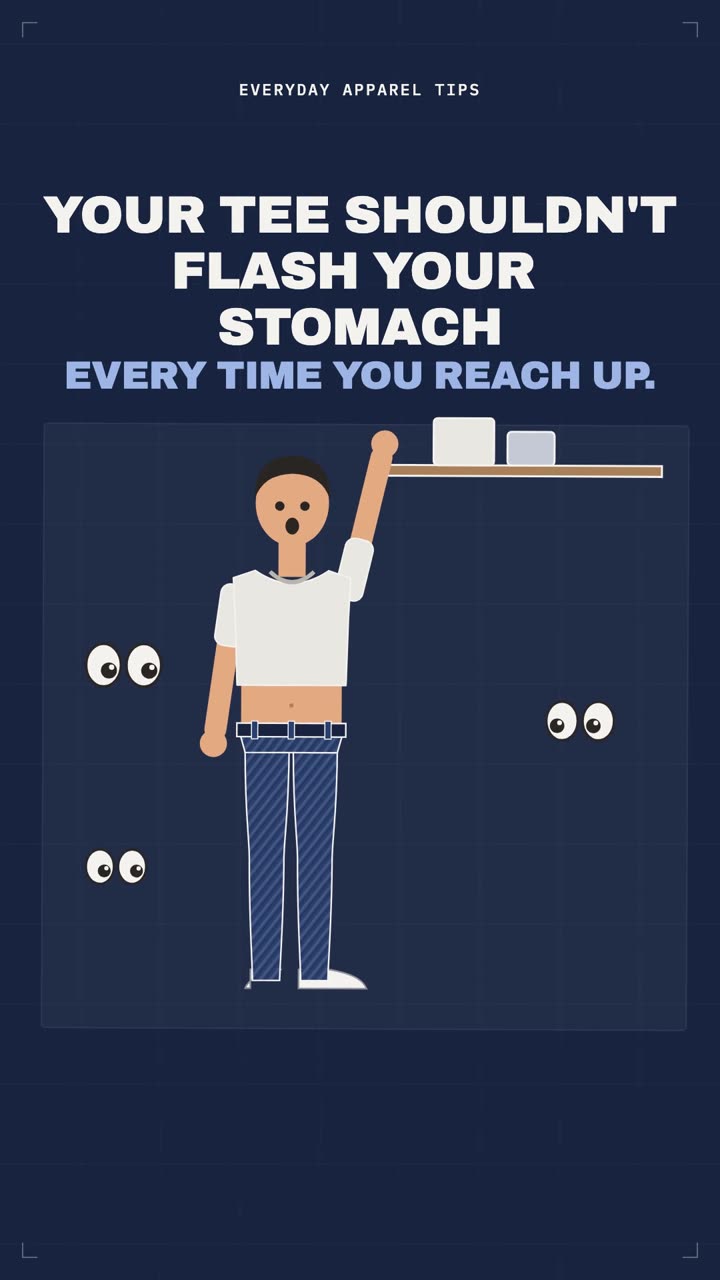 ARMHOLE
Everyday Apparel
If your tee flashes your stomach every time you reach up, the armhole is cut too deep. How to spec it, armhole by fit, and the reach test.
Get it free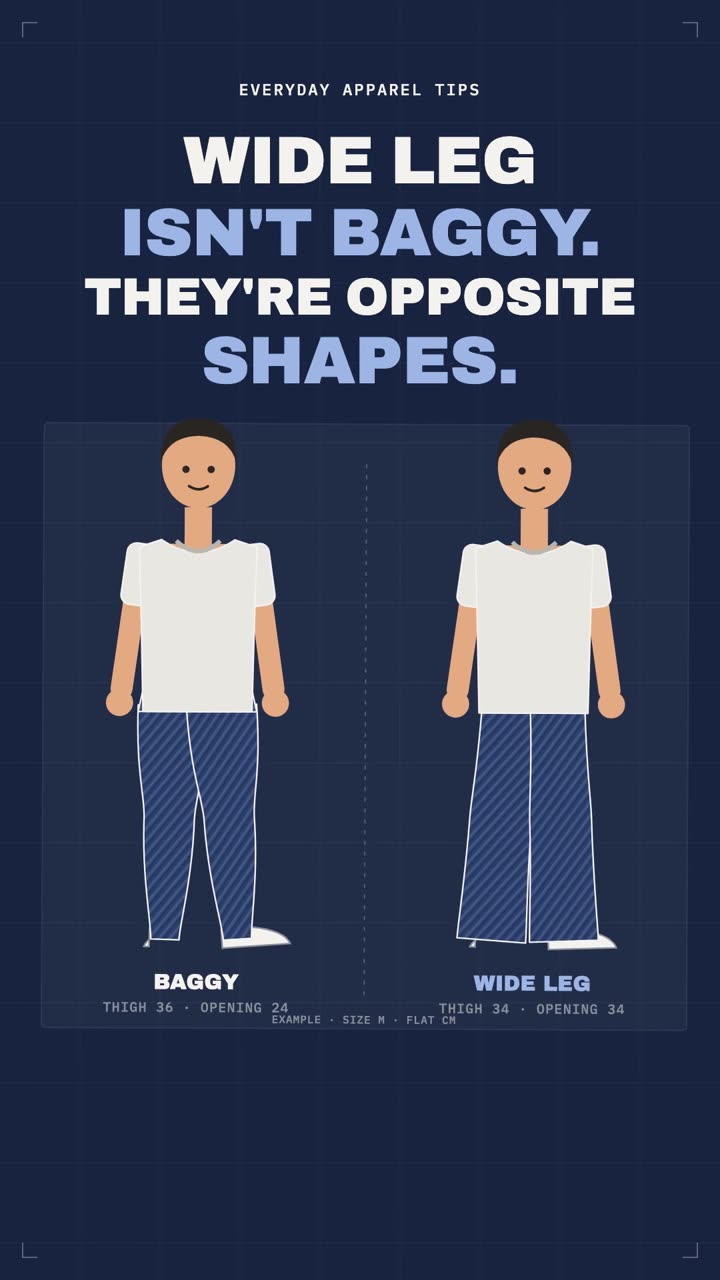 WIDE
Everyday Apparel
Wide leg isn't baggy. They're opposite shapes: baggy is big at the thigh and tapers in, wide leg stays wide all the way down. Send the thigh and the opening.
Get it free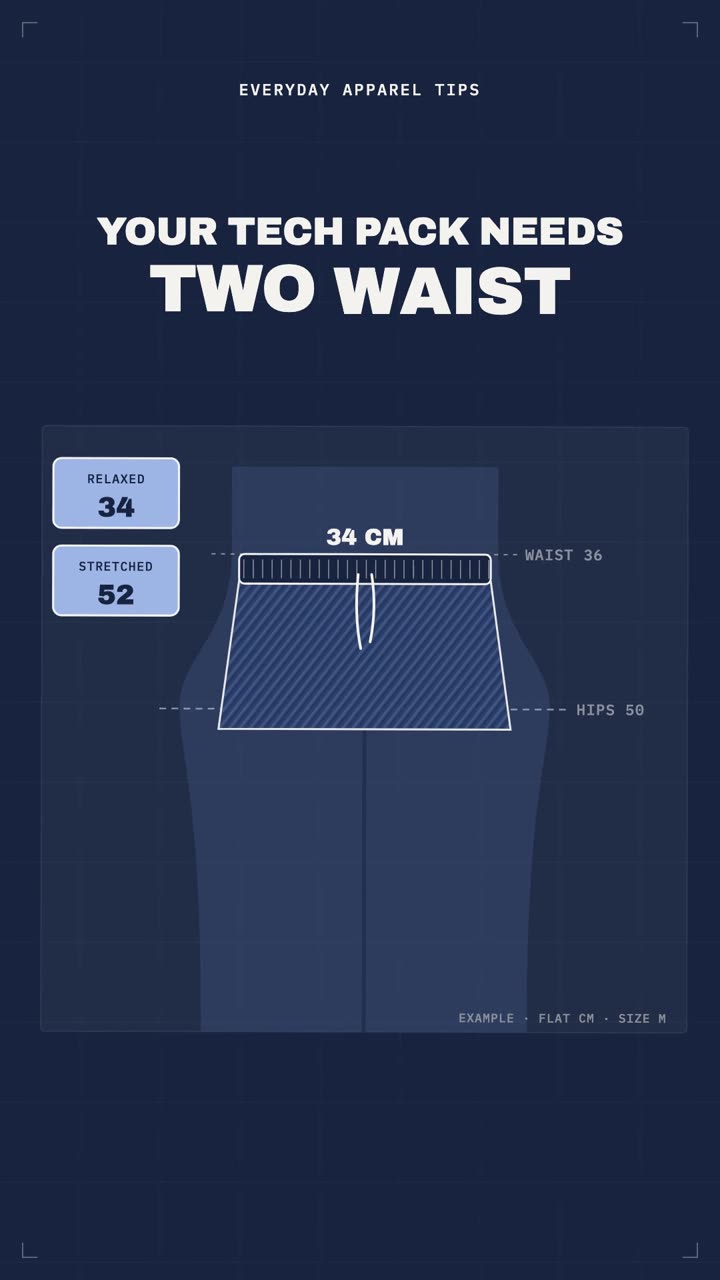 WAIST
Everyday Apparel
Your tech pack needs two waist measurements: relaxed and stretched. Give the factory one, and your joggers fit on the hanger but won't go over the hips.
Get it free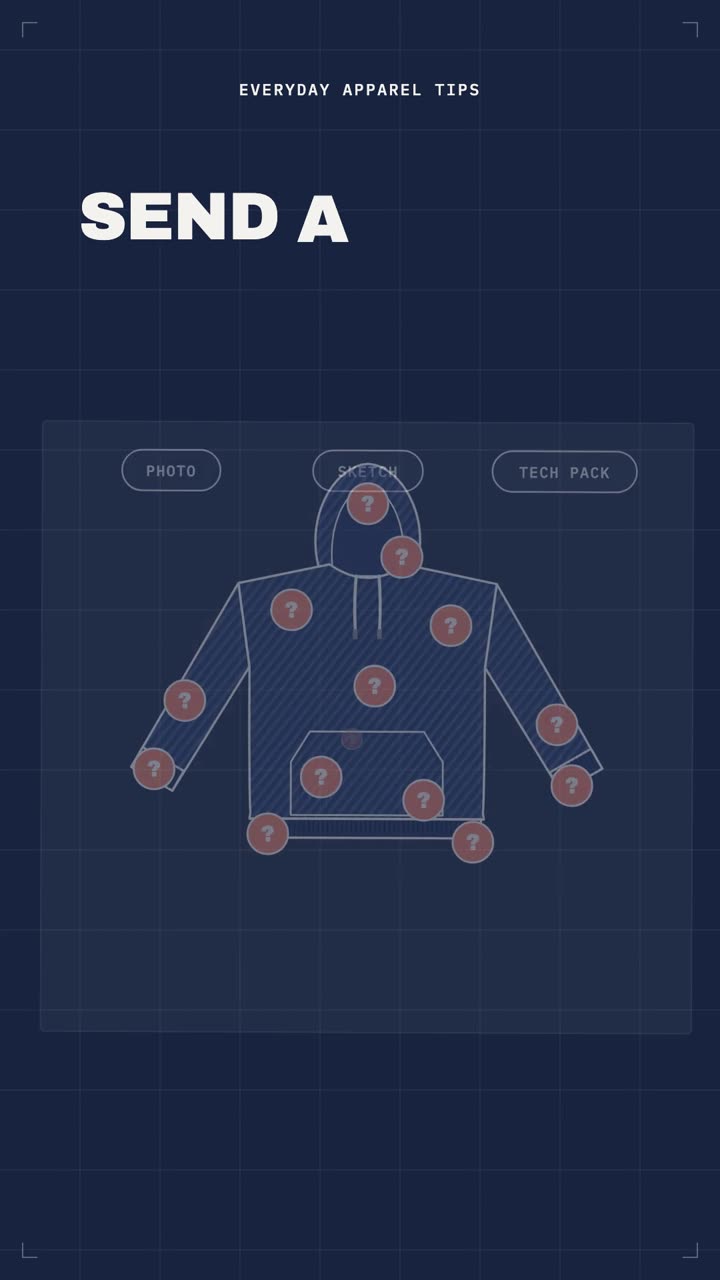 TECHPACK
Working With Factories
Your factory can't read your mind. A complete tech pack template plus a filled-in hoodie example, so your sample comes back the way you pictured it.
Get it free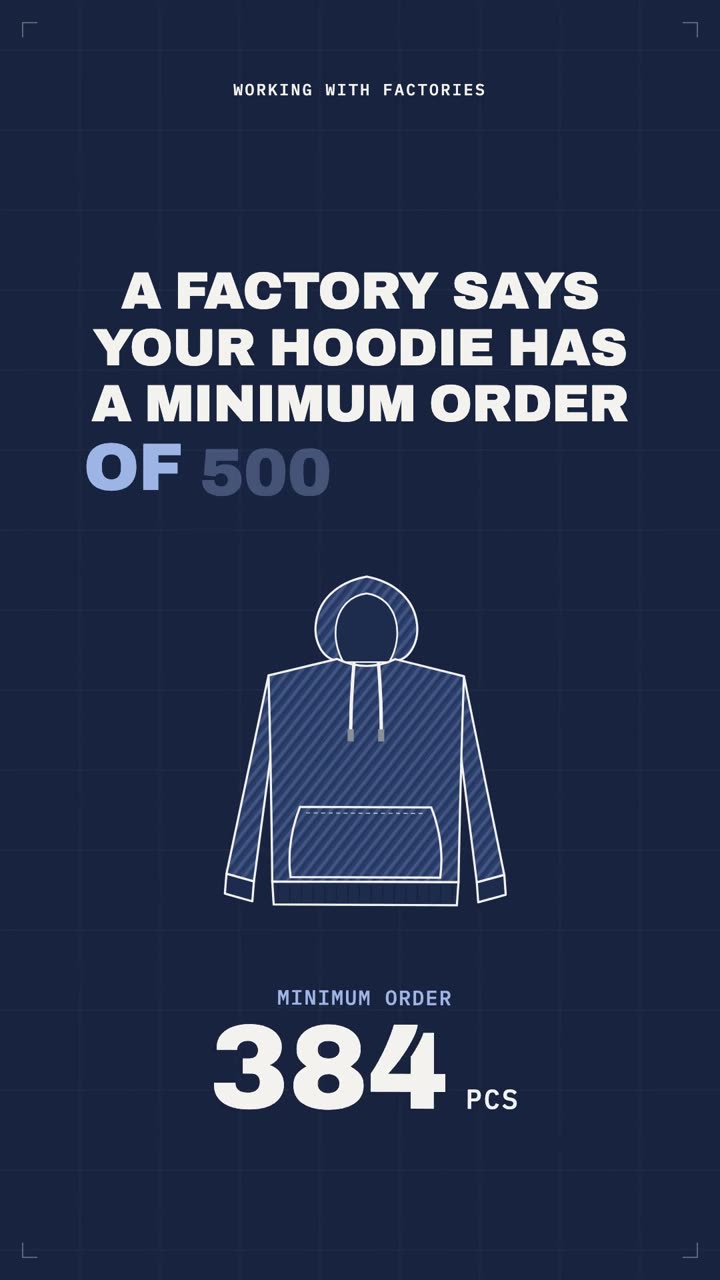 MOQ
Working With Factories
A factory's minimum is usually set by its slowest supplier. Find out which one, and you can often make 100 pieces instead of 500.
Get it free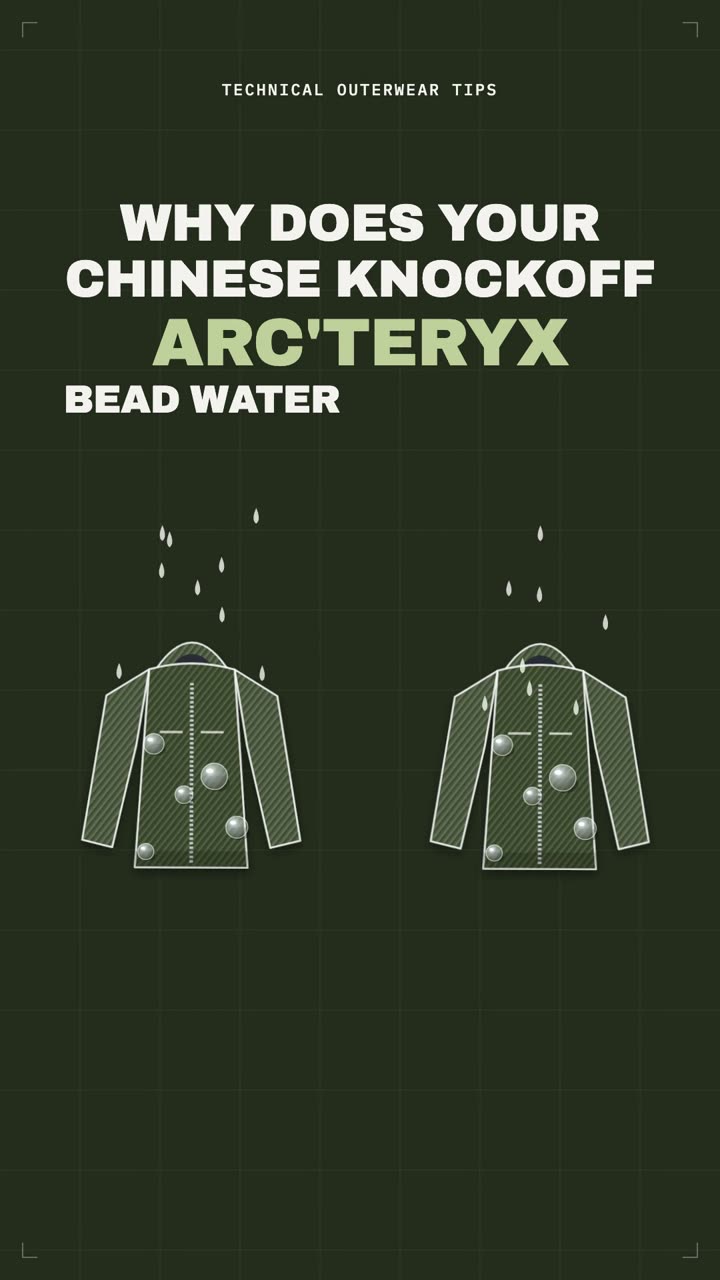 DWR
Technical Outerwear
Water-repellent isn't waterproof. DWR vs membranes vs coatings, the test numbers to ask for, and how to check a shell before you approve it.
Get it free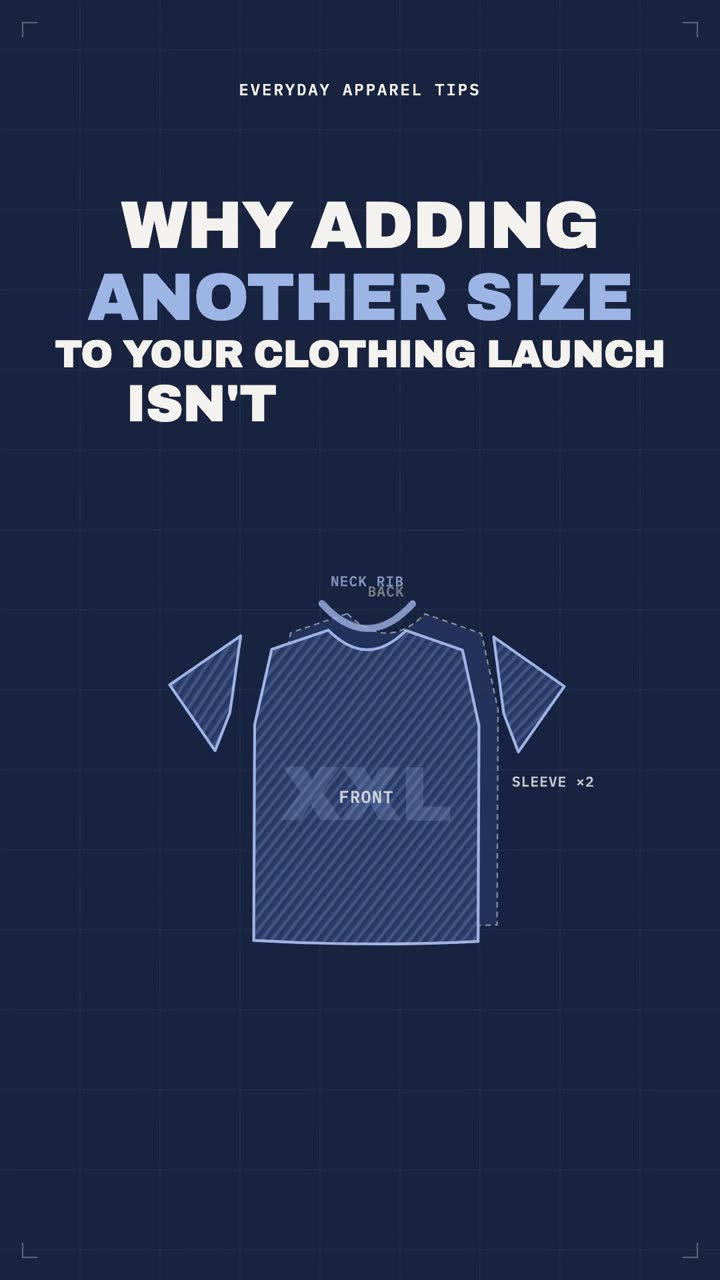 SIZING
Production Planning
Every new size is a new SKU. What adding a size really costs, a sensible starting range, and a checklist before you promise XXS to 3XL.
Get it free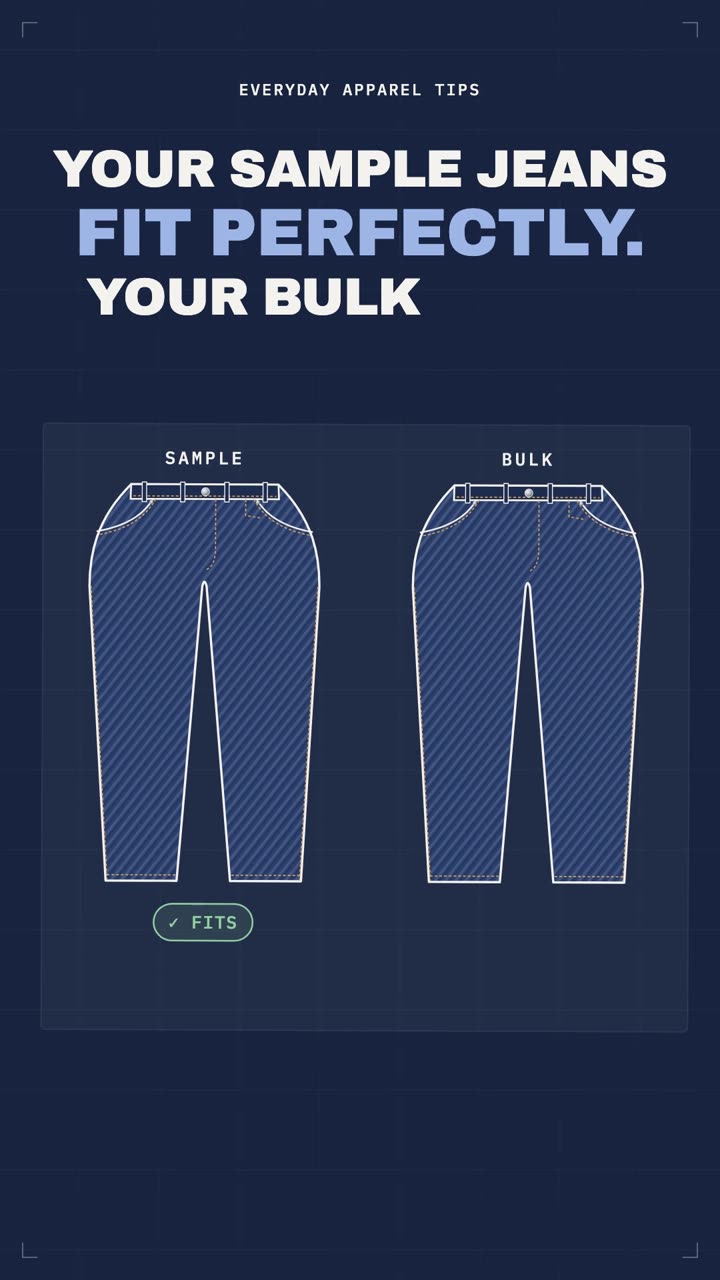 DENIM
Fabrics
Test the denim before you cut. The 1-hour shrinkage test, typical shrinkage by denim type, and how to build it into the pattern.
Get it free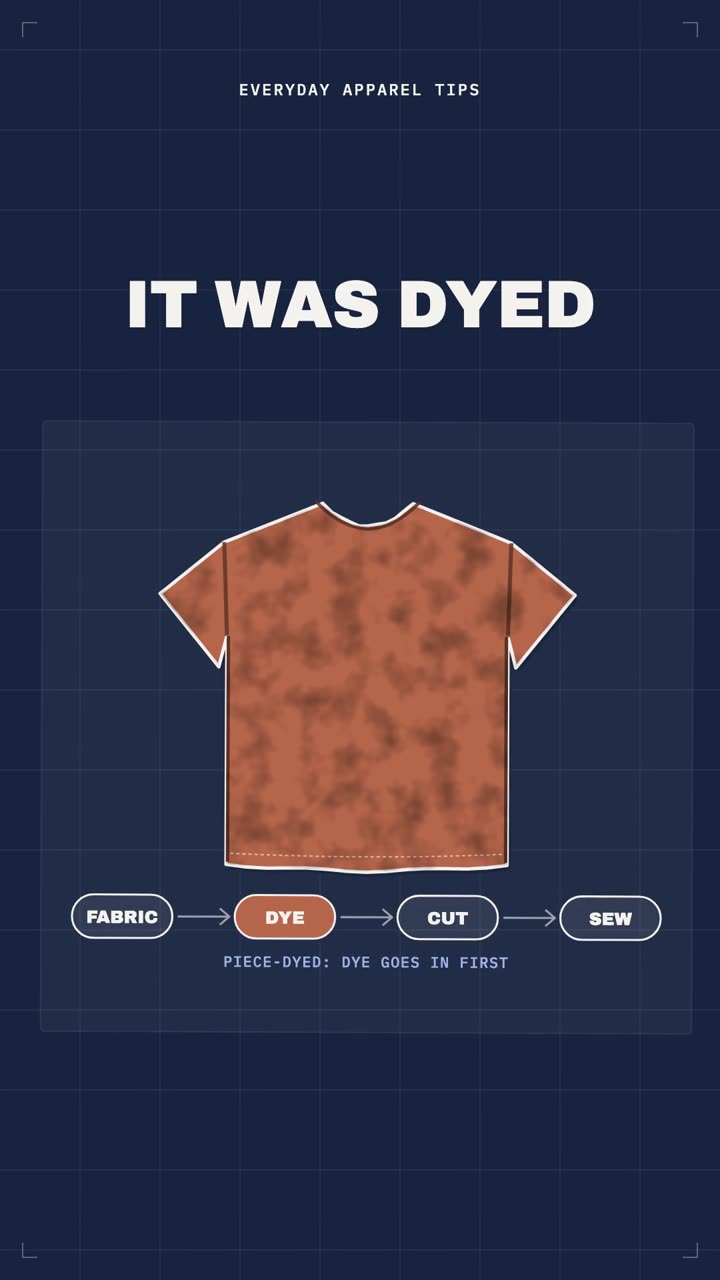 DYE
Fabrics
That vintage tee isn't old: it was dyed after it was sewn. Piece dye vs garment dye vs yarn dye, washes, shrink allowances and colour matching.
Get it free GSM
Fabrics
GSM is the biggest reason a tee feels cheap or premium. The weight ranges to ask for, by garment, and how to spec and check it.
Get it free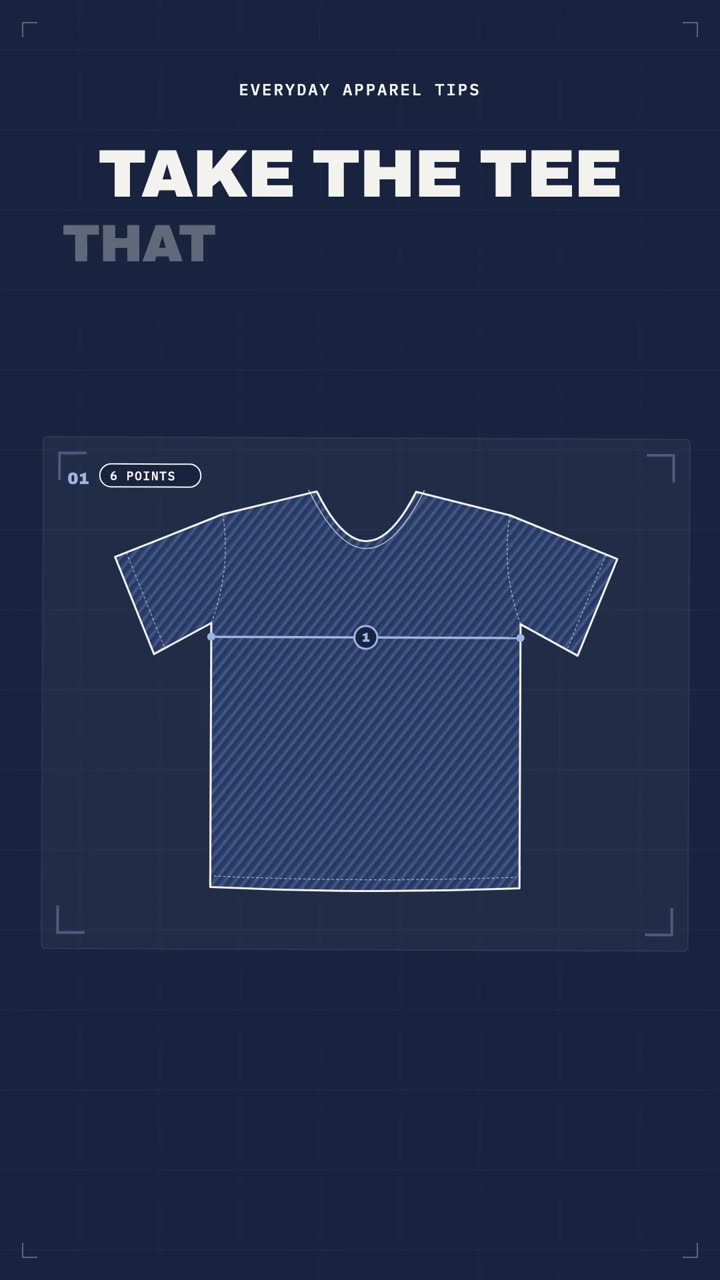 MEASURE
Everyday Apparel
Stop guessing your sizes. Lay your best-fitting tee flat and measure six points: exactly what your factory needs.
Get it free FABRIC
Fabrics
“100% cotton” tells you the fibre, not the quality. Yarn types, yarn count and finishes, and the spec to ask a mill for before you approve production.
Get it free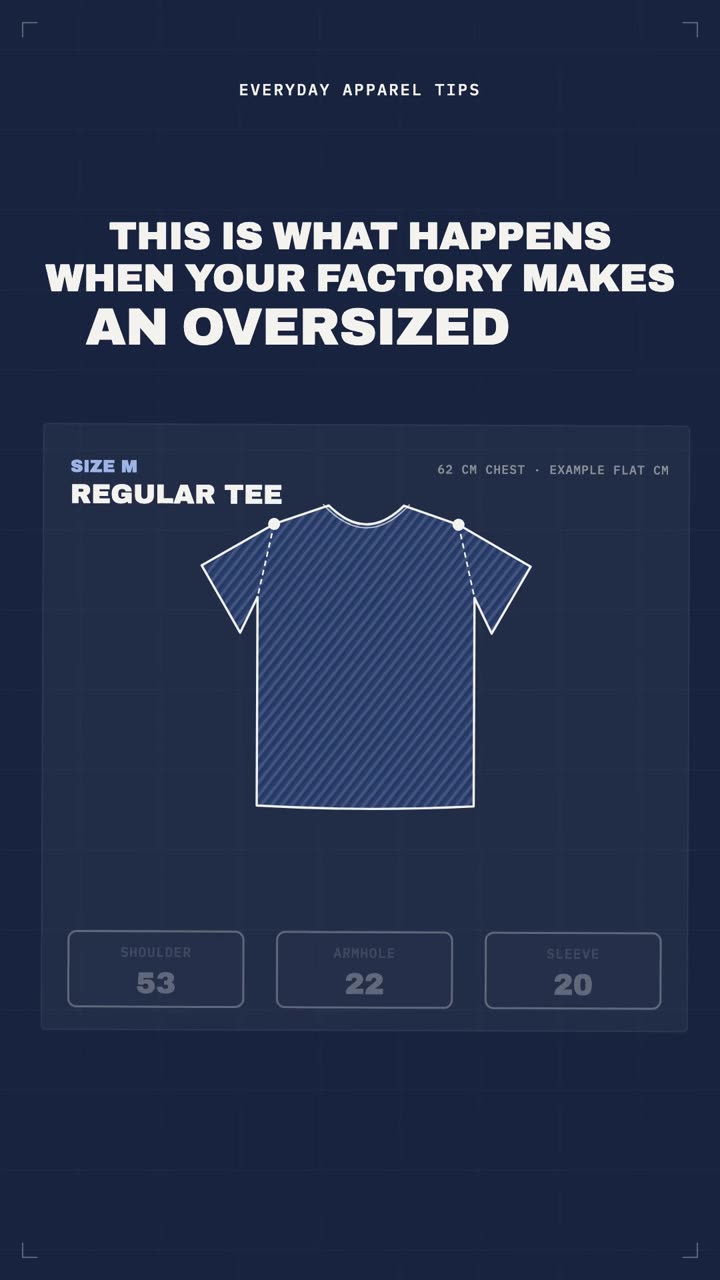 SHOULDER
Everyday Apparel
Going up a size just gives you a big regular tee. A real oversized tee drops the shoulder. The numbers, graded S–XL.
Get it free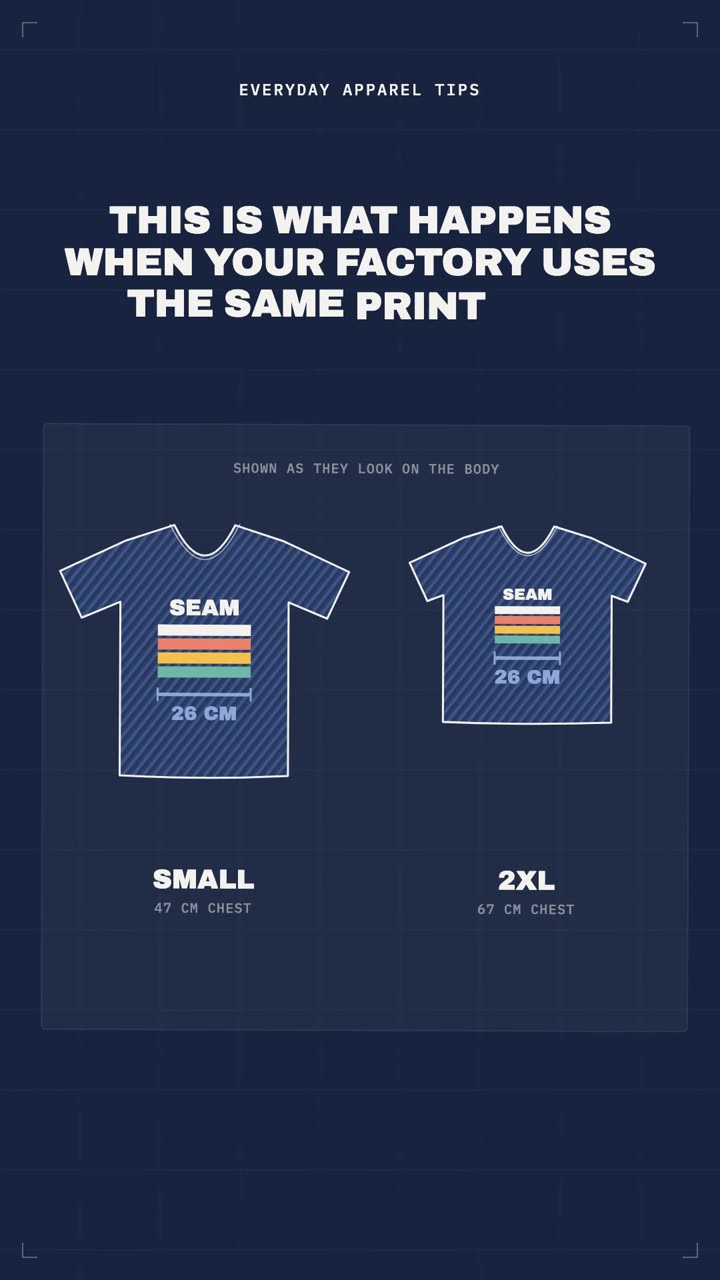 SCALE
Everyday Apparel
A print that fills a small looks like a sticker on a 2XL. Print sizes by garment size, what scaling does to screen costs, and how to spec it.
Get it free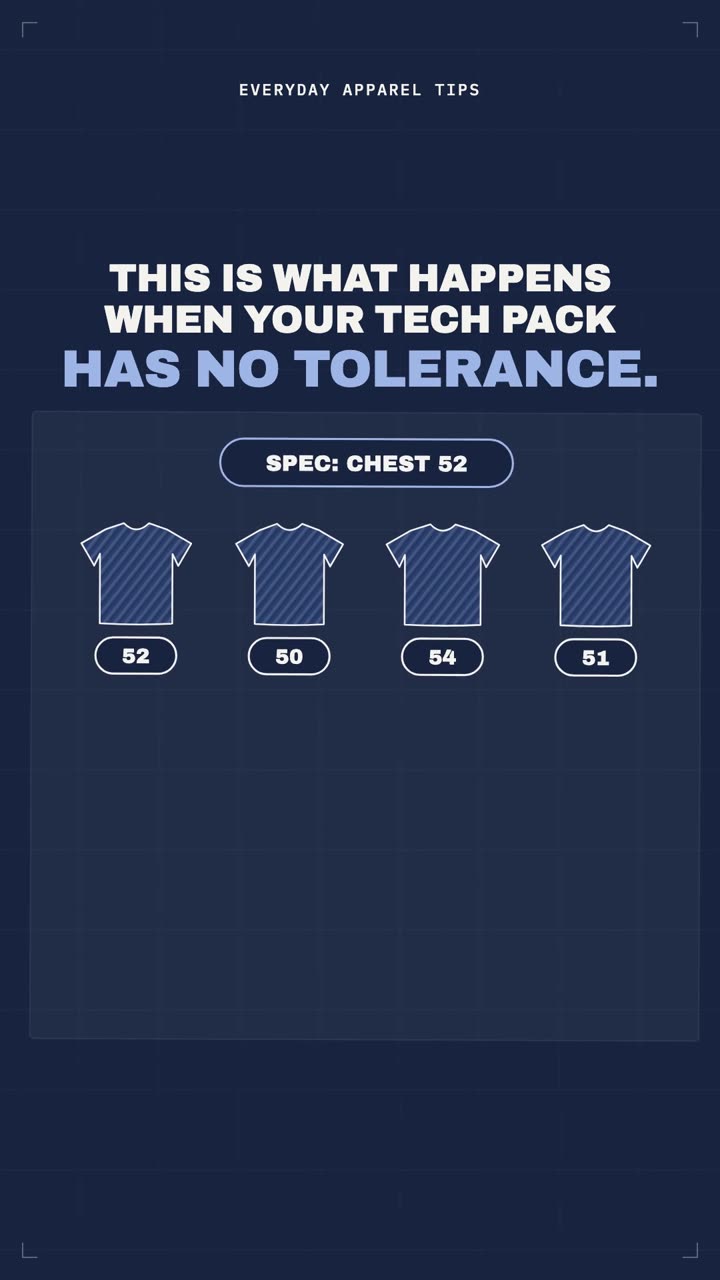 TOLERANCE
Production Planning
A measurement without a tolerance can't fail. Starting tolerances for tees, hoodies and pants, plus a bulk check sheet so you can reject what's out of spec.
Get it free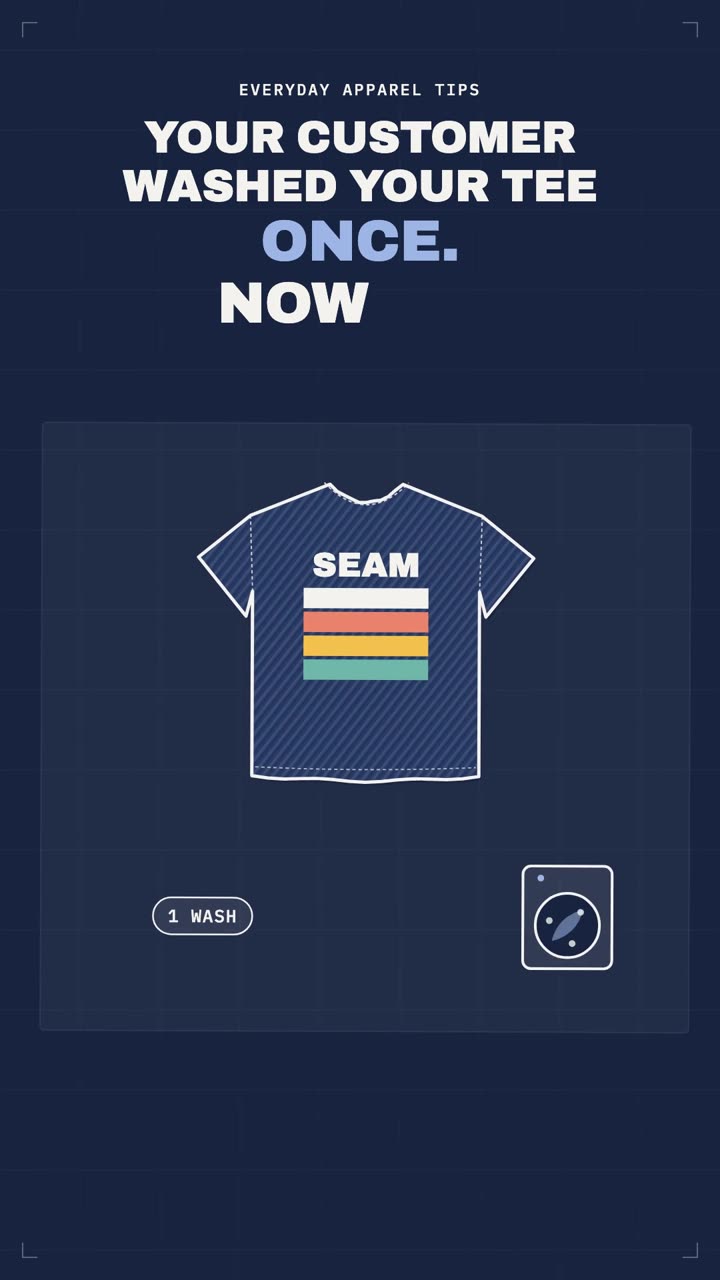 CARE LABEL
Everyday Apparel
Build the care label before bulk: what goes on it, what every symbol means, what the US, EU, UK and Canada usually ask for, and how to wash-test it.
Get it free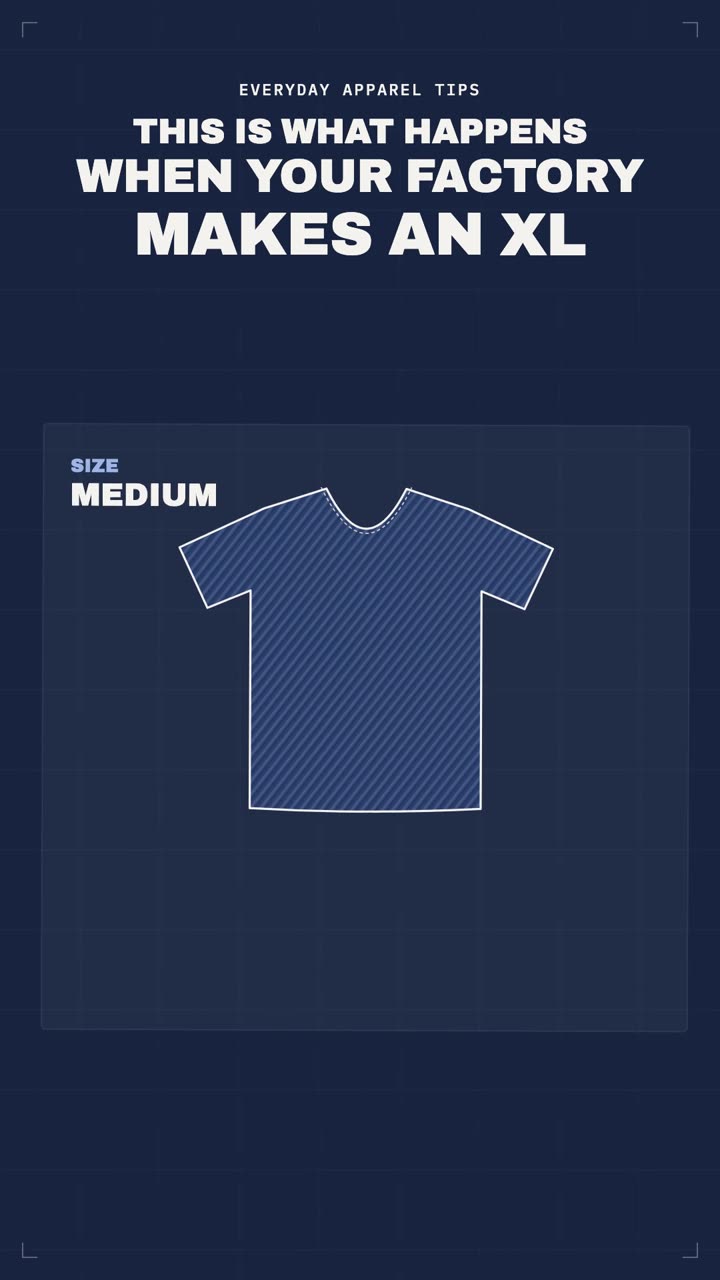 GRADE
Production Planning
Your XL isn't your medium, just bigger. Grade rules for tees, hoodies and sweatpants, and a template to grade your own size range.
Get it free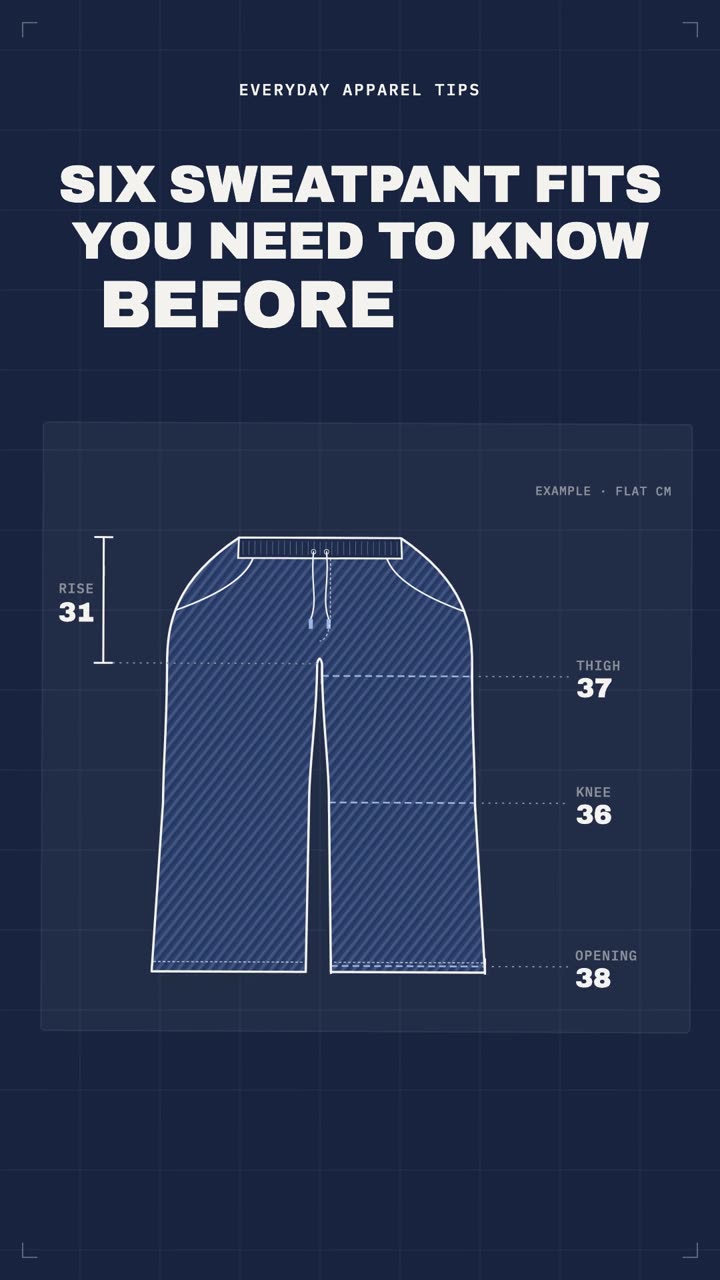 FITS
Everyday Apparel
“Make it baggy” means something different to every factory. The measurements behind six sweatpant fits, so you can send the shape, not the adjective.
Get it free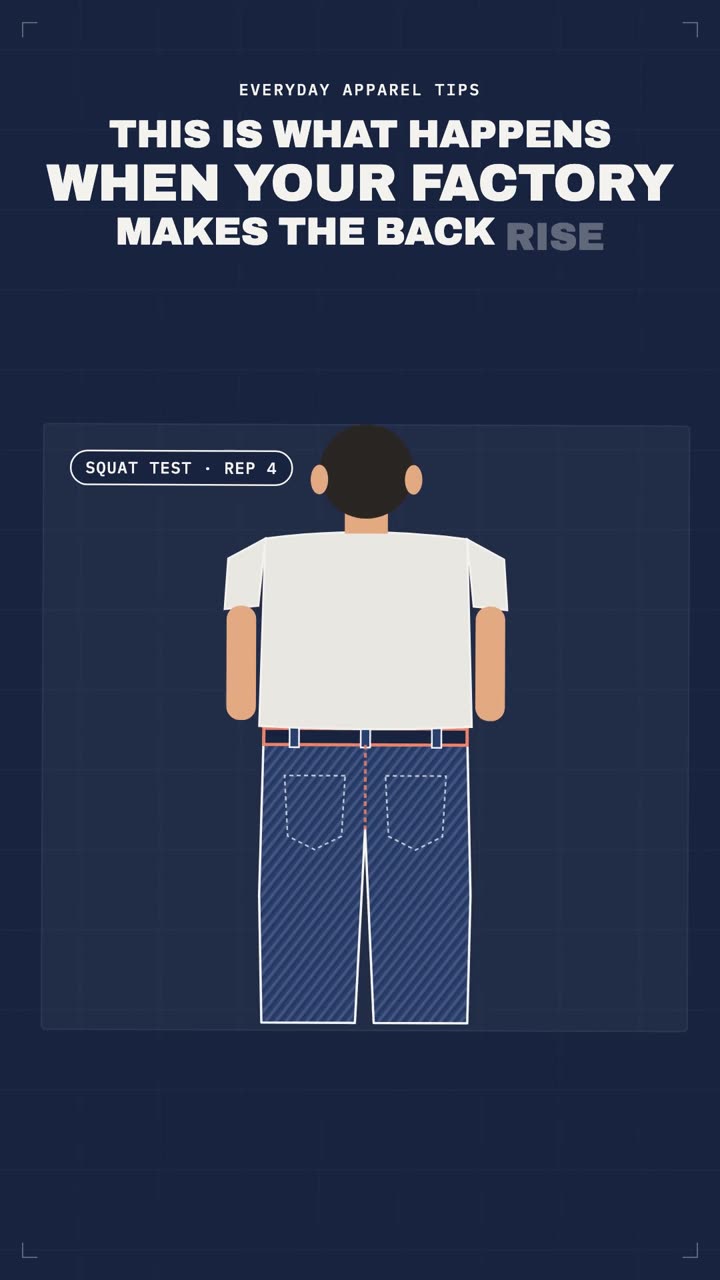 RISE
Everyday Apparel
If the back rise matches the front, the waistband drops every time you sit. How to spec front and back rise, rise by fit, and how to check it on a sample.
Get it free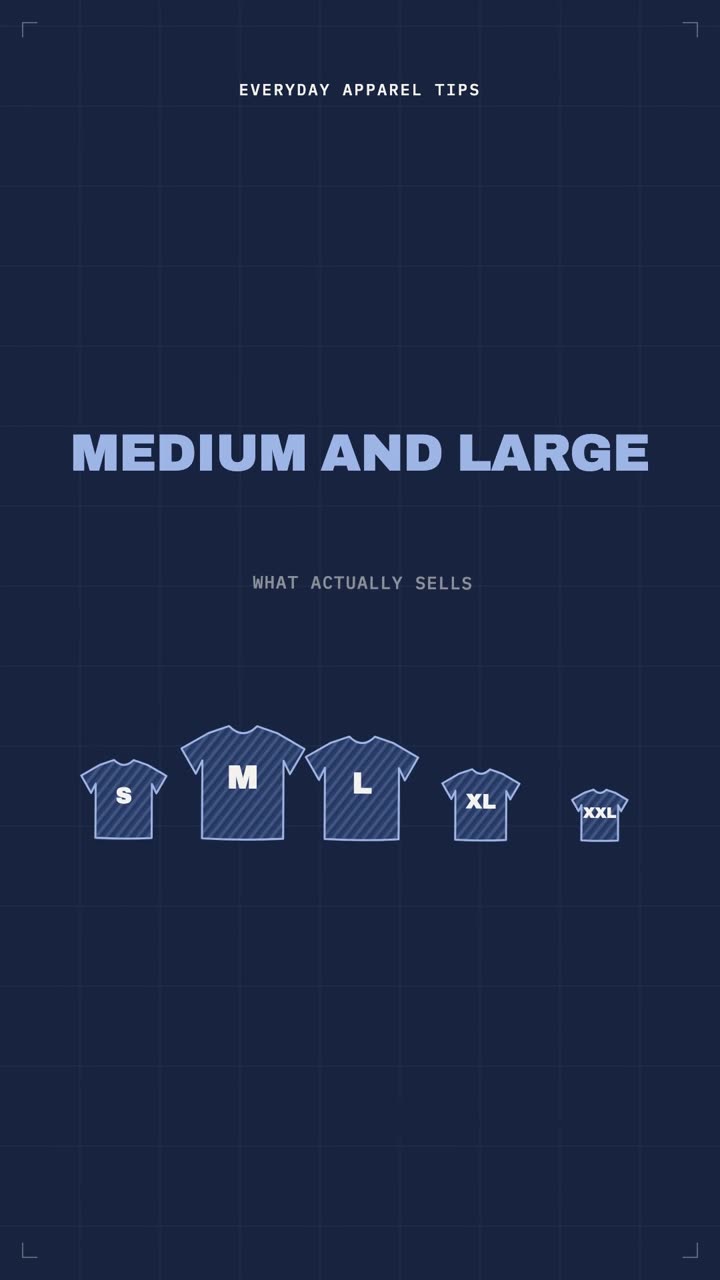 CURVE
Production Planning
Never order the same amount of every size. Work out how many of each size to order from your own sales, so you stop selling out of M and L while XXL sits on the shelf.
Get it free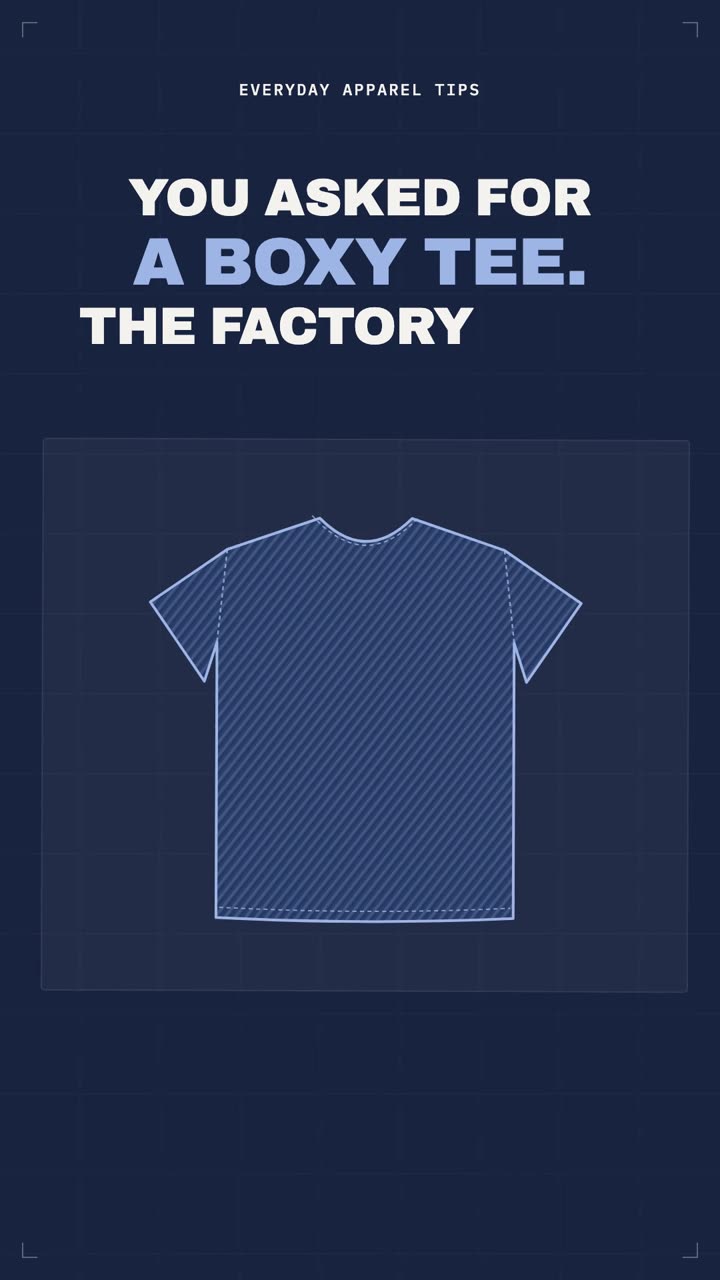 BOXY
Everyday Apparel
Don't write “boxy” on your tech pack. Give your factory the numbers that actually make a tee boxy — wide chest, shorter body, dropped shoulder.
Get it free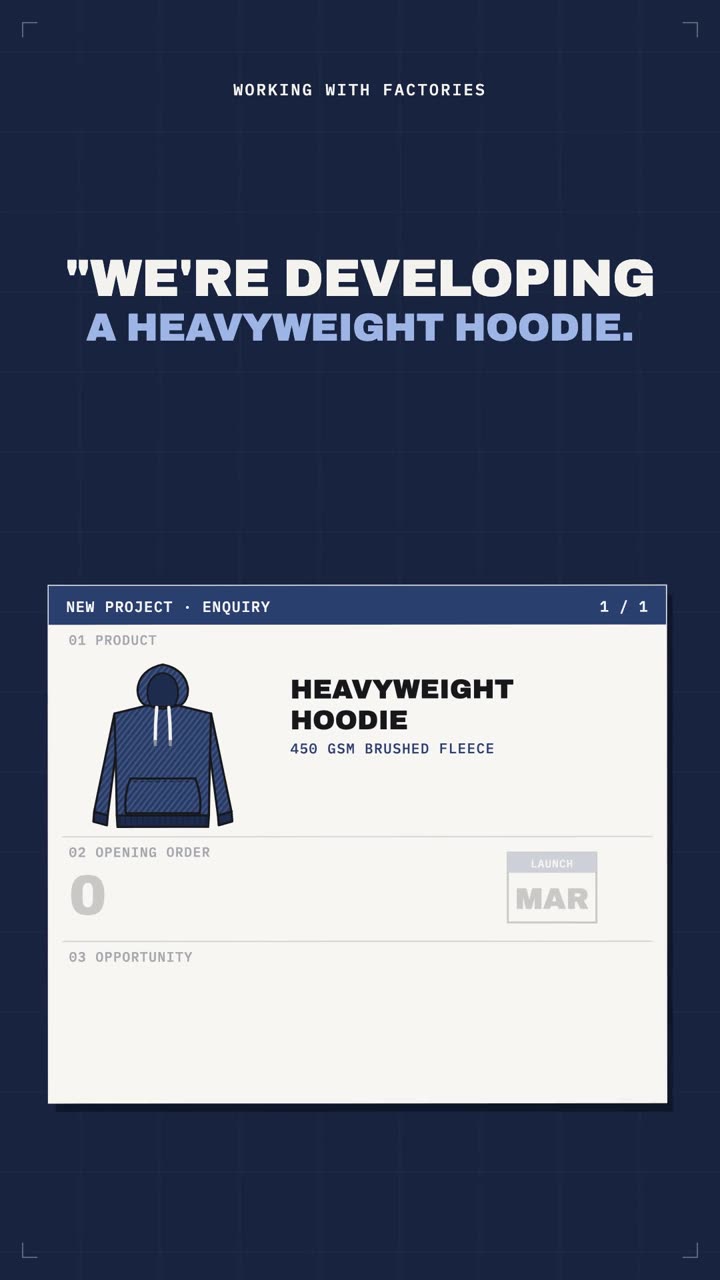 BRIEF
Working With Factories
Your first message to a factory shouldn't be your whole business plan. Send a 4-line project brief they can assess in seconds, then track every reply and pick your factory on data.
Get it free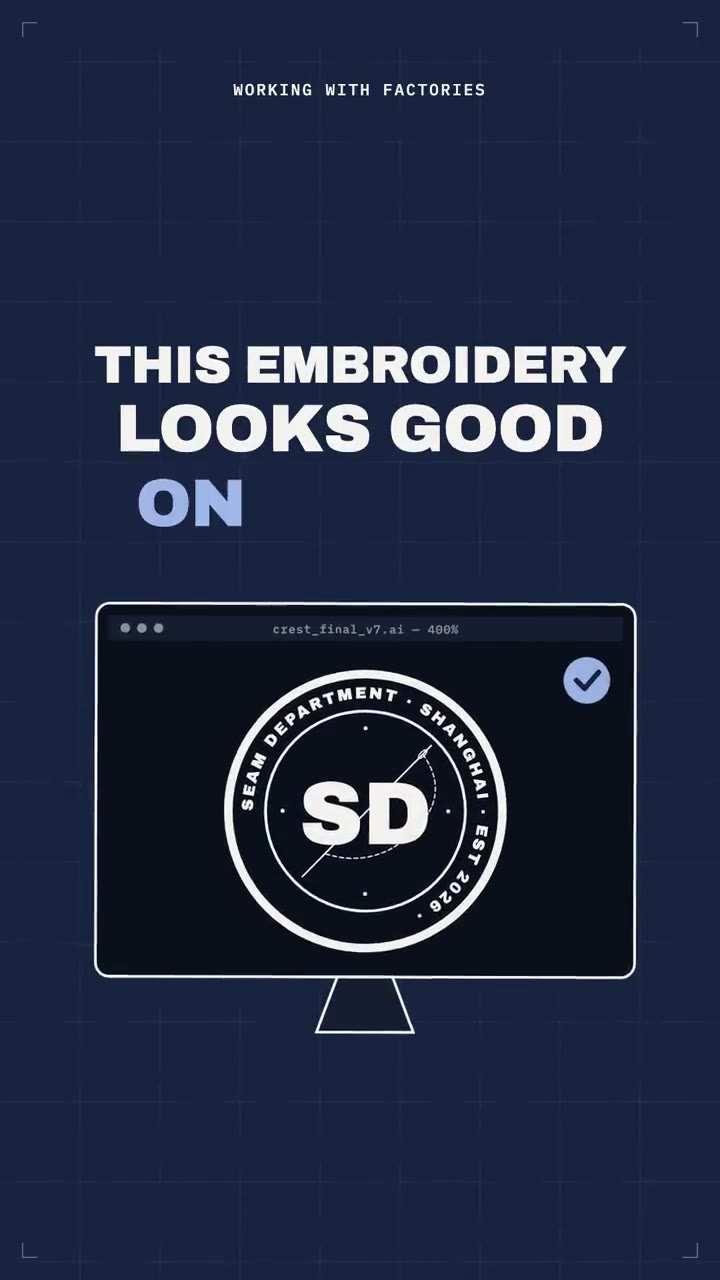 STITCH
Working With Factories
A logo that looks sharp on screen can clog into a blob in thread. Print the true-size test, check your artwork at the real size, and get the embroidery team's review before the sample is cut.
Get it free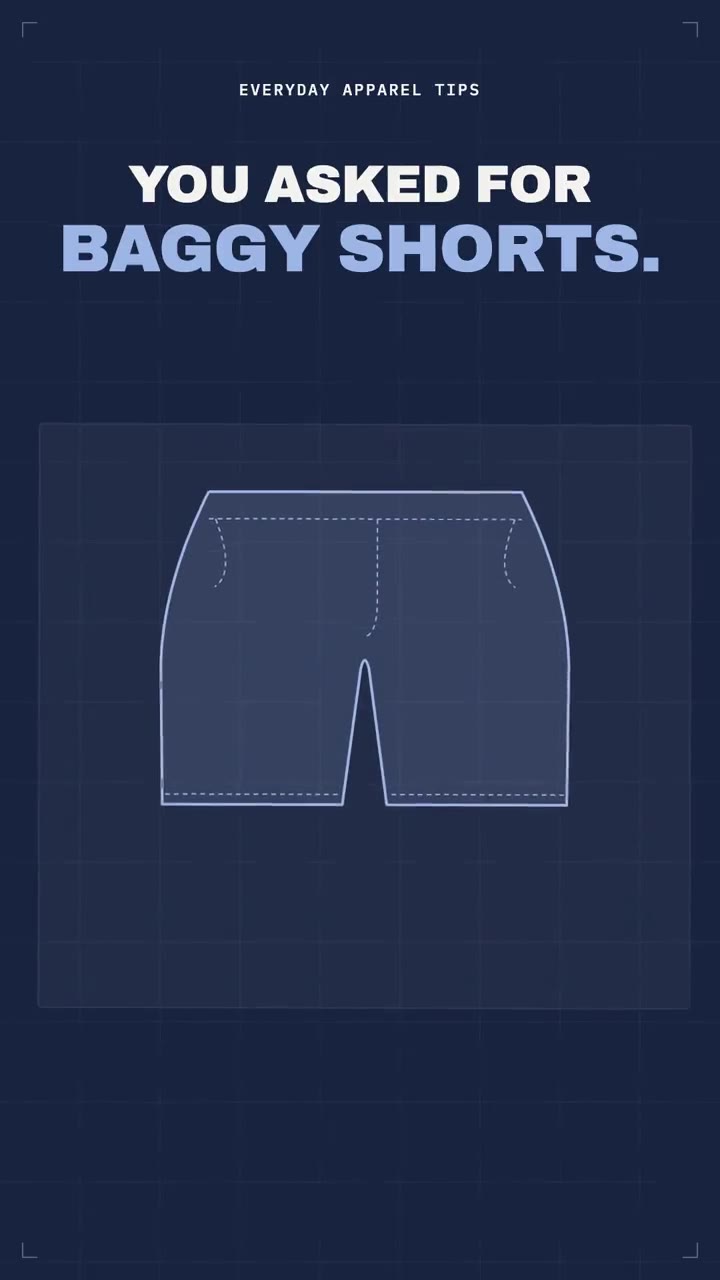 SHORTS
Everyday Apparel
Write “baggy” on a tech pack and most factories just add length. Baggy is the rise, inseam, thigh and leg opening working together. Here are the numbers to send.
Get it freeWe take your garments from concept and tech pack through sampling and bulk production, with manufacturers on the ground in Shanghai.