THE COMPLETE SYSTEM
End-to-End Product Development
From Product Direction to Finished Delivery.
For founders who need more than a document or a sample.
Full development engagement
Starting at US$5,000
Scope is agreed on a call before any payment. Invoiced and paid by bank transfer.
- Investment
- From US$5,000
- Structure
- Three documented phases
- Commitment
- No forced retainer
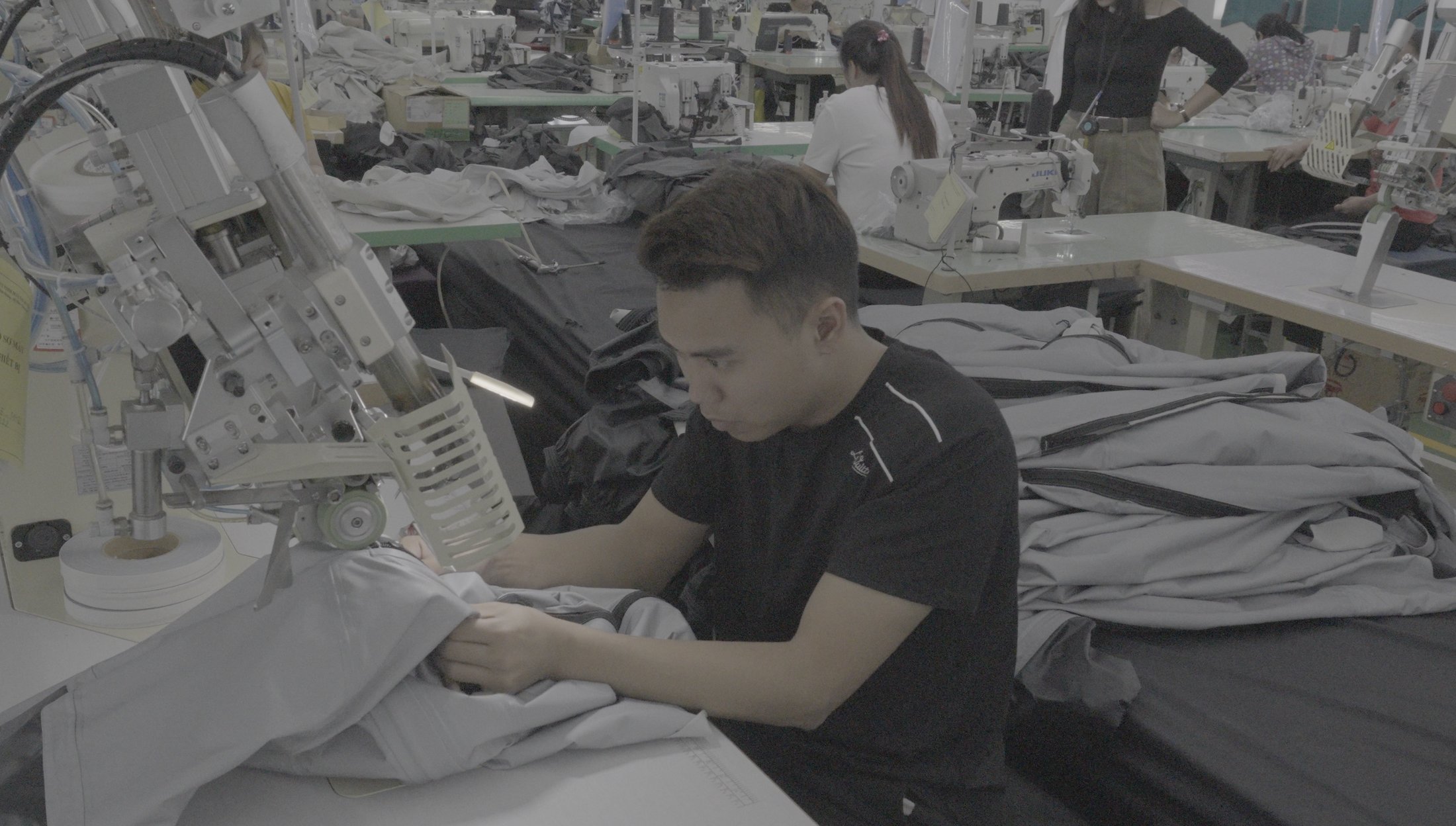
Seam Department manages the complete technical outerwear development process—from initial direction and material selection through technical documentation, physical validation and controlled manufacturing.
How Technical Outerwear Projects Run
From initial product direction to finished delivery, every technical outerwear project moves through three documented and controlled phases.
 01
Phase 01 — Define
Understand
We establish the garment's purpose, intended environment, target customer, performance requirements and commercial position before design work begins. This gives every later decision a clear reference point and prevents the product from becoming a collection of disconnected features.
- Define intended use, climate and performance expectations
- Establish target customer, retail position and production budget
- Confirm initial quantities, launch dates and commercial constraints
- Prioritise the garment's essential functions and features
Define
Digital Concept Development & Product Engineering
We establish the garment's purpose, intended environment, target customer, performance requirements and commercial position before design work begins. This gives every later decision a clear reference point and prevents the product from becoming a collection of disconnected features.
- Define intended use, climate and performance expectations
- Establish target customer, retail position and production budget
- Confirm initial quantities, launch dates and commercial constraints
- Prioritise the garment's essential functions and features
Phase 01 Benefit
The first sample begins from a resolved product direction rather than being used to discover what the product should have been.
Phase 01 — Define
Define It Digitally.
Resolve the product direction and technical requirements before full garment sampling.
This phase may include
- Customer and use-case definition
- Product positioning
- Reference-product analysis
- Mood-board development
- Silhouette and fit direction
- Functional feature planning
- Material research
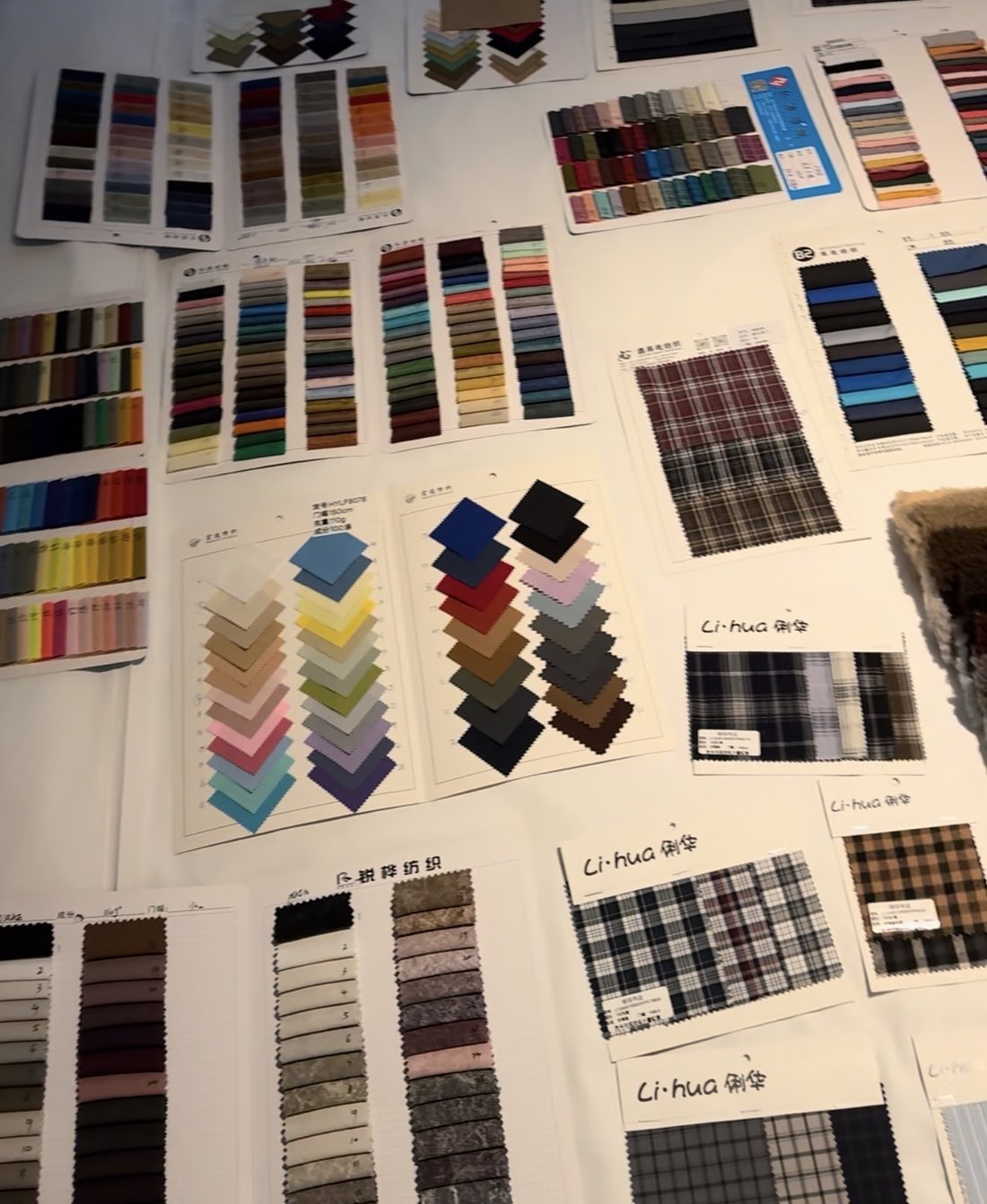
- Physical material swatches
- Preliminary component sourcing
- Technical flats
- Bill of materials
- Construction specifications
- Measurement specifications
- Factory-ready tech pack
Physical swatches give clients a tangible insight into an otherwise digital process.
Phase outcome
At the end of Define, the client has a documented product direction, confirmed material strategy and factory-facing technical package.
Phase 02 — Refine
Validate It Physically.
Build, test and improve the garment until it is ready for production.
This phase may include
- Pattern development
- Material and trim sourcing
- Functional prototyping
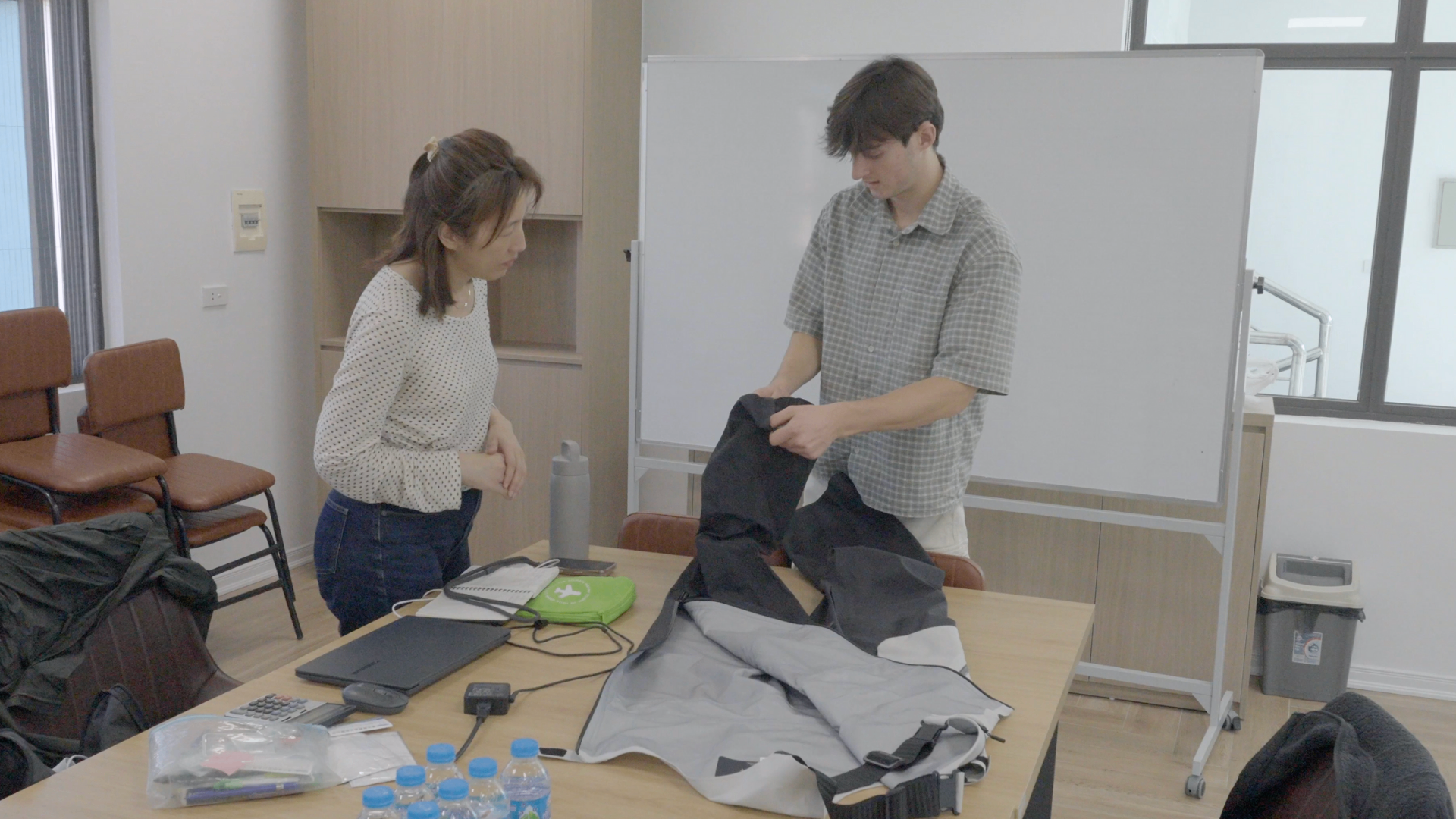
- First garment sample
- Fit and construction review
- Client feedback
- Pattern corrections
- Revised samples where required
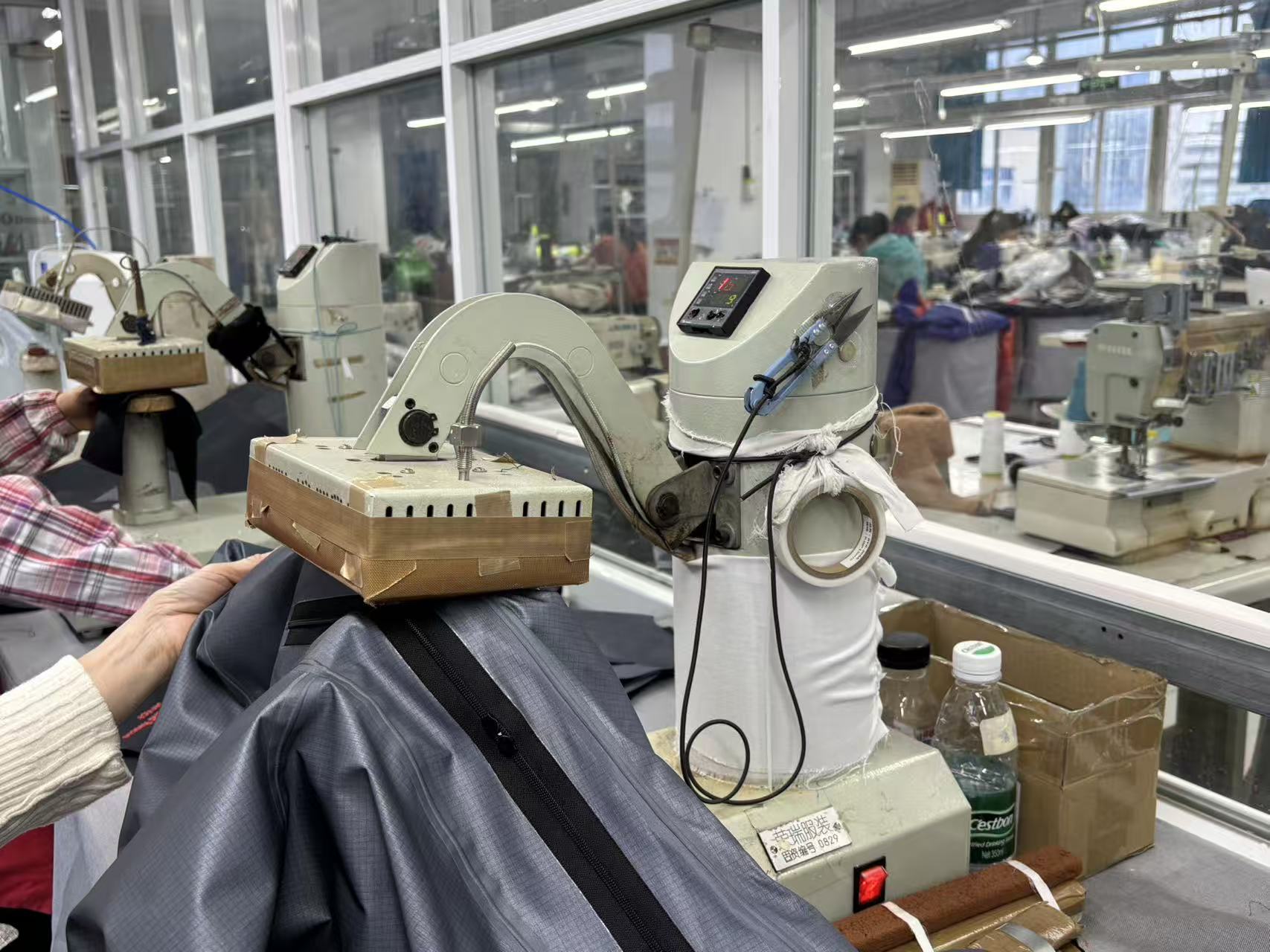
- Seam-sealing and construction validation
- Final pre-production sample
- Final bill-of-material confirmation
- Production-readiness review
Phase outcome
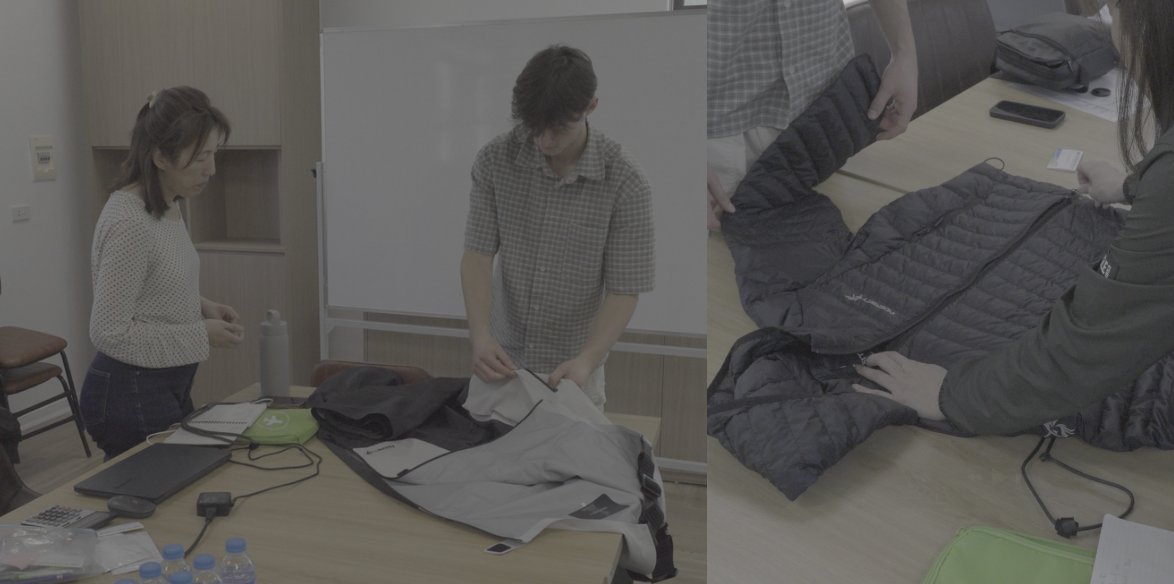
At the end of Refine, the client has an approved physical product and the documentation required to reproduce it consistently.
Phase 03 — Produce
Manufacture It Properly.
Match the approved garment with the correct production facility, then manufacture, inspect and deliver it through a controlled system.
This phase may include
- Factory matching
- Production quotation
- MOQ and volume planning
- Material ordering
- Pre-production confirmation
- Production scheduling
- Bulk manufacturing
- In-line quality control
- Final inspection
- Packaging coordination
- Freight and delivery coordination
- Supplier and production infrastructure handoff
Phase outcome
The client receives finished production and a functioning manufacturing backend that can support future orders.
Big Brand Manufacturing Made Accessible.
Why Seam Department
The appropriate factory depends on the product—not simply the lowest MOQ.
A specialist in bonded and seam-sealed shell jackets is not necessarily the correct manufacturer for an insulated jacket, technical hiking pant or women’s performance garment.
We match production partners by
- Product category
- Construction method
- Materials
- Specialist machinery
- Technical capability
- Target quantity
- Quality expectations
- Future production volume
Because we already operate active projects through our supplier and manufacturing network, emerging brands can access capabilities they would rarely qualify for independently.
That is how we make big-brand manufacturing accessible.
No Forced Retainer
The engagement is divided into documented phases. Clients do not need to commit to an indefinite monthly retainer. Continuation depends on the results of the completed phase and the requirements of the project.
Each phase should have:
- Defined scope
- Defined deliverables
- Defined payment terms
- Defined review point
- Written approval before continuation
Before you start
Are you ready?
You should be able to explain:
- The intended customer
- The problem being solved
- The product category
- The intended use environment
- The target retail price
- The approximate launch quantity
- The available development budget
- The intended launch timeline
Seam Department will help develop and resolve the product, but the client must arrive with a legitimate commercial intention and the resources required to complete development.
Each service begins at a specific point in the development process. Work that should have been completed during an earlier stage is not automatically included in a later-stage service.
How it works
- 1
Brief
Share the product and any files you have.
- 2
Scoping call
A free call so we understand the work before anything is committed.
- 3
Scope and quote
Deliverables, timeline and price confirmed in writing.
- 4
Payment
Invoiced and paid by bank transfer.
- 5
Begin
Work starts once payment is received.
Starting Investment
From US$5,000
The final scope and payment structure are confirmed after the initial project review.
The detail
The development fee does not automatically include:
- Bulk manufacturing costs
- Large material orders
- Custom industrial tooling
- Laboratory certification
- Freight
- Duties and taxes
- Unlimited revisions
- Additional garment styles outside the agreed scope
Starting at US$5,000